
This is Part 5 of the Sumerian series — Part 1 is here, Part 2 here, Part 3 here, Part 4 here, Part 6 here.
Every civilization leaves more behind than anyone gets around to studying. Some are purposefully hidden and left out of sight, others beg to be discovered and studied. Sumer left more than most.
“Not lost. Not destroyed. Sitting in drawers, labeled, unread, because reading it takes something in short supply.”
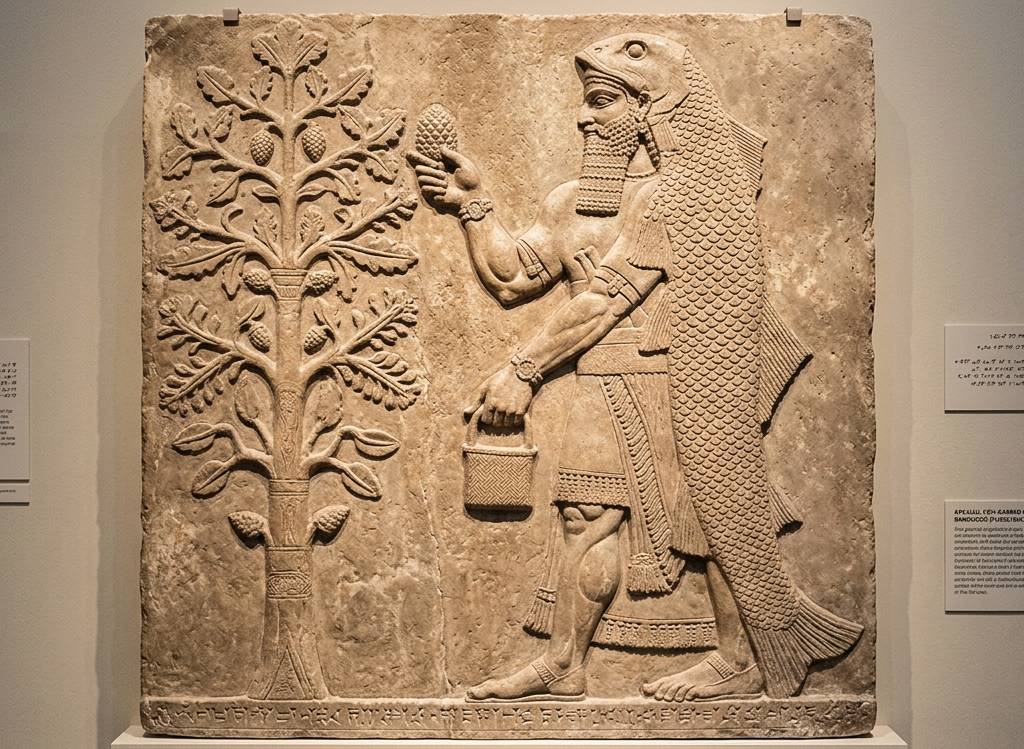
A Library Larger Than We Can Read
Cuneiform tablets have been coming out of the ground in Iraq, Syria, Turkey, and Iran for nearly two centuries now. Hundreds of thousands of them sit in museum basements and university collections waiting to be deciphered. Estimates including every Akkadian-language tablet across every dig, run past a million.
The Cuneiform Digital Library Initiative and the Open Richly Annotated Cuneiform Corpus, hosted at the University of Pennsylvania, have spent decades photographing, cataloging, and slowly digitizing what’s been found. Most of it is still waiting sitting in drawers, labeled, unread.
Why So Few Can Read It
The problem is that cuneiform isn’t one unified language. It’s a writing system shared across Sumerian, Akkadian, and several others regions. Each sign can have different meanings depending on what’s around it. Reading a tablet means transliterating the wedge marks into a phonetic guess at how the words sounded, then translating that guess into a modern language, while also accounting for which century, which region, and which genre of text you’re holding. A royal decree reads nothing like a hymn. A hymn reads nothing like a grocery list, and Sumer left plenty of grocery lists. And this is not isolated to cuneiform tablets. Bibles and ancient books were often written in dead languages, languages no longer used making their translation approximations. Hence this is why interpretation of books are tricky and can be dangerous.
Studying these tablets takes years of training most universities no longer fund at scale, especially these days of defunded programs. By some counts, only a few hundred people alive today can do it at a research level. A few hundred people, against a backlog that may run past a million tablets. The math doesn’t work in our favor.
“A few hundred people, against a backlog that may run past a million tablets. The math was never going to work in their favor.”
What Happens When You Hand It to a Machine
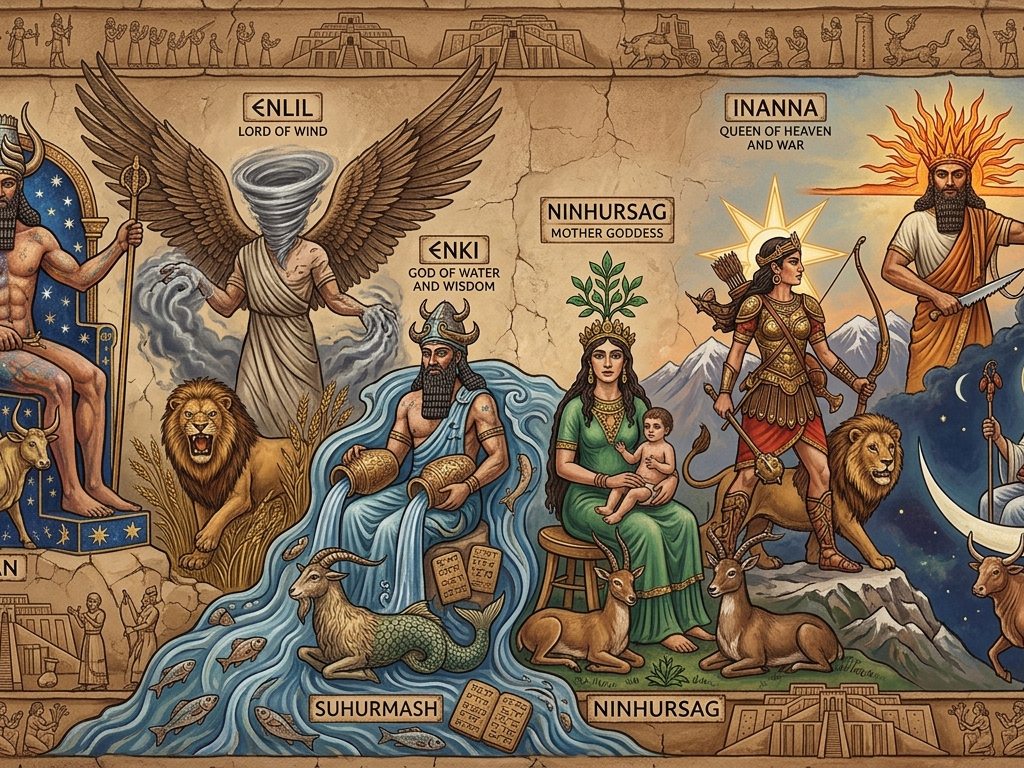
In 2023 and the era of artificial intelligence (AI), a team of archaeologists and computer scientists published a study in PNAS Nexus describing a neural network trained to translate Akkadian pointed at five-thousand-year-old clay. They called the project Akkademia and released it publicly.
It worked, but only to a certain point. It translated both from transliterations and directly from cuneiform symbols. It recognized the difference between a legal document and a myth without being told to look for one. It also produced accurate, well-documented Sumerian and Akkadian material.
It failed when asked to translate a line about a lawsuit involving a man from a specific district, the model returned “They are in the Inner City in the Inner City.” Twice. For no reason anyone could trace. Welcome to the early days of AI. Sounds familiar to anyone out there? It does to me.
The Container and What It Can’t Hold
That failure is the more useful part of the story, more useful than its success. That AI can move faster than any human translator alive is a given. What it can’t do yet is to know when its own answer is nonsense, or carry the accumulated judgment of a scholar who has spent thirty years learning how a Babylonian scribe from one province phrased things differently than a scribe two hundred miles away. AI was programmed to help in the most positive ways to the point it often becomes overly enthusiastic in the most confident way. It’s not humble. It’s programmed to look that way. All agents. In the end. it’s a fast container worth using intelligently with caveats. And ultimately the meaning inside still needs a person to check it, shape it, and decide what it’s saying.
That’s the same relationship worth keeping with any tool built to move fast through something ancient. Use it to surface what would otherwise sit in a drawer for another century. Don’t hand it the final word on what any of it means. This is how we felt AI would help in my industry of flying cars and air taxis, digging up data, pre-sorting it, but let q human make the final decision until it can do it on its own, many decades away from now.
What Five Parts Later, We’re Left With
This series started with a civilization that built writing, law, and irrigation, and credited it all to gods who organized the world like a family with real arguments inside it. It moved through a queen of the dead who couldn’t be bribed, a pantheon mistaken for aliens because a hierarchy of rank got misread as a hierarchy of geography, and a god who broke the spirit of an oath to save one man from a flood the others wanted to send.
What connects every part of it is the same thing sitting in those unread drawers right now. Sumer wasn’t short on answers. It was long on questions it took seriously enough to write down, argue about, and pass forward in clay, because clay survives what people don’t.
Most of that record is still waiting for someone, or something, to read it.
“It’s a container. A fast one, worth using. But the meaning inside still needs a person to check it, shape it, and decide what it’s saying.”
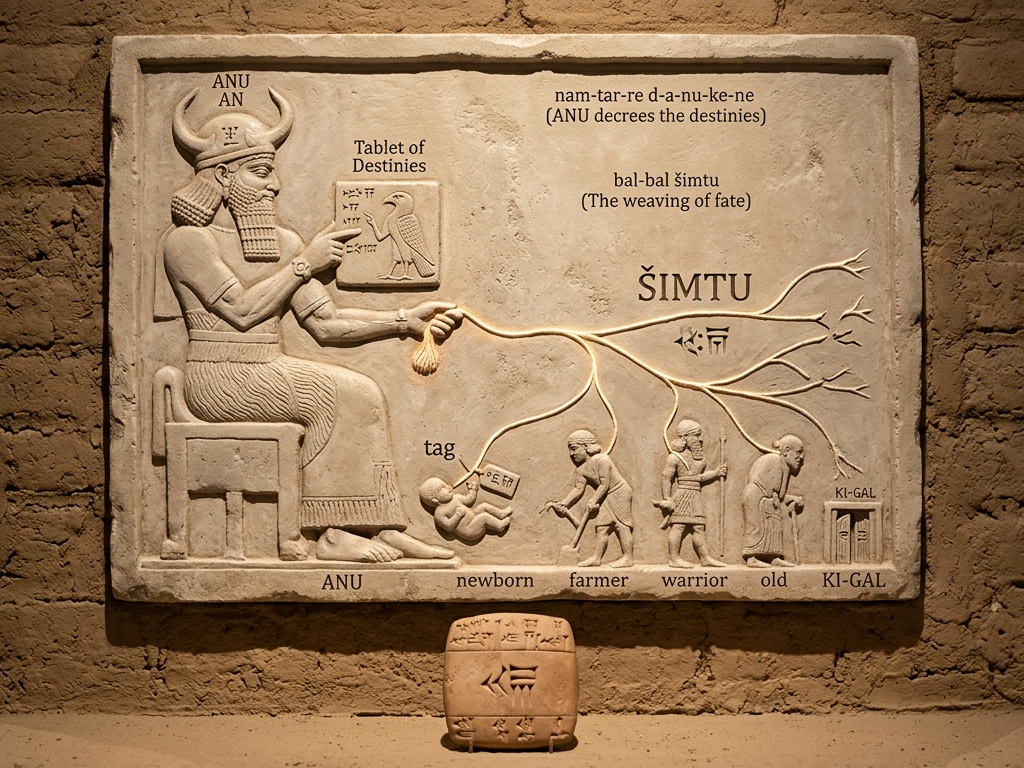
A Question Worth Considering
Five parts in, the place this lands isn’t a conclusion but an invitation for you to get curious and continue on your own. Then why not, share it back here. In a drawer somewhere in a museum basement, tablets await most likely unread in four thousand years.
What do you do with a civilization that left you more than you’ll ever get through? You could call it a mystery. Or you could call it a backlog, and get to work. Either way, once it is translated, it will shake our world and convictions yet again.