
Part 4 of 6 — The Gnostic Vision: Ancient Wisdom for the Modern Soul
In part 3, we talked about The Blind God and the Machinery of Control. In part 4 we focus on the awakener and what it means to re-awaken.
Every tradition needs a redeemer figure — a being who crosses the threshold between the divine and the human to show the way home. Christianity built its architecture of salvation around one. But the Gnostics told a profoundly different version of that story.
In the Gnostic reading, Christ did not come to absorb the punishment you deserved. He came to show you something about yourself — something so radical, so threatening to every power structure of the ancient world, that it had to be buried for fifteen centuries.
He came to awaken you to what you already are.
The Christ of the Gnostics
The orthodox Christian story centers on sacrifice: a sinless man dies for the sins of humanity, and through faith in that sacrifice, the sinner is redeemed. It is a transaction. Salvation arrives from outside.
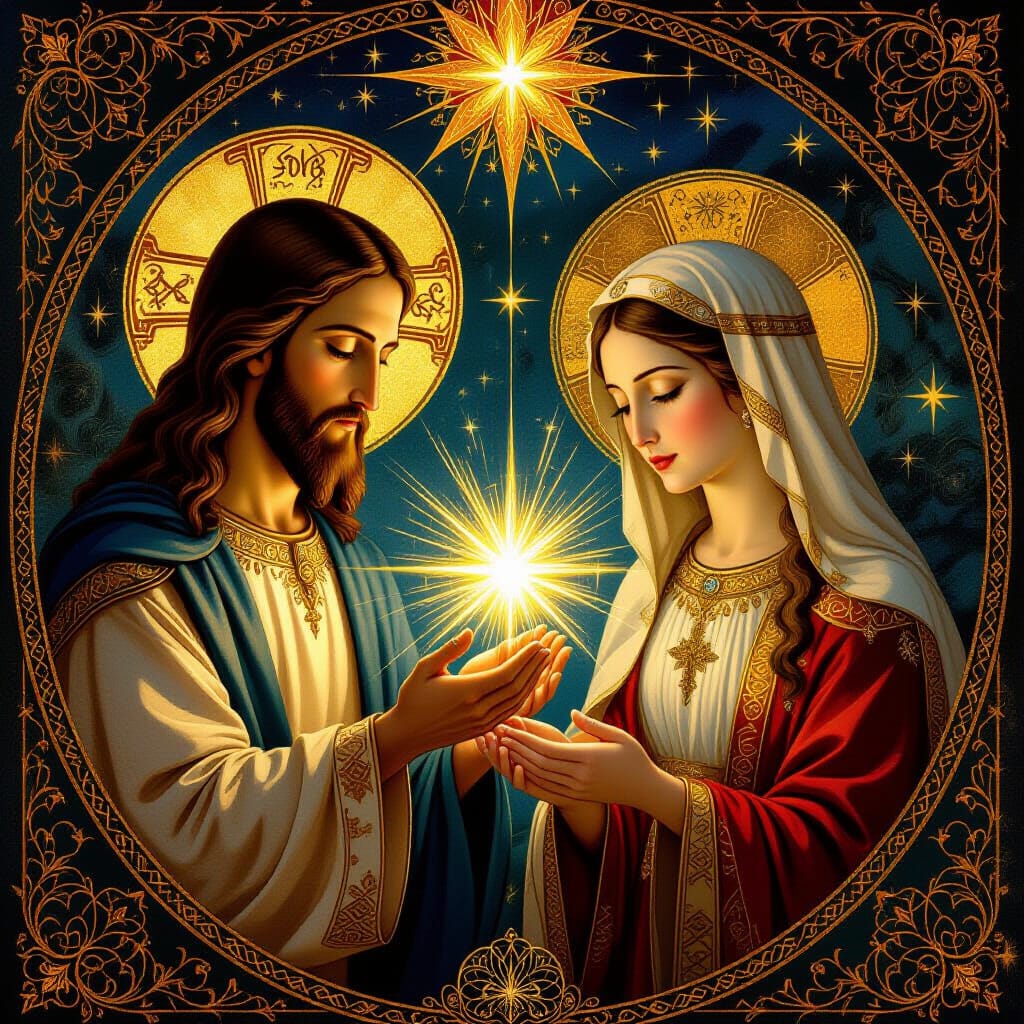
The Gnostic story is built on something entirely different: recognition. The Christos — the anointed — is not primarily a sacrificial victim but a revealer. A being of light who descends from the Pleroma to deliver a message to the pneumatics, the awakening ones, trapped in the material realm.
The message is not “believe in me.” The message is: you are not what you think you are.
In the Sophia of Jesus Christ — one of the most remarkable Nag Hammadi texts, preserved in three separate ancient copies — the resurrected Jesus does not speak of atonement. He speaks of the nature of the Invisible Spirit, the structure of the divine realm, and the path of the pneuma back to its source. He is not dispensing salvation. He is dissolving ignorance.
This is the Gnostic understanding of the Fall: not a moral failure requiring punishment, but a forgetting requiring remembrance. And the Gnostic Christ is not a priest who intercedes for the sinner — he is a teacher who wakes the sleeper.
The Gospel of Truth: A Different Salvation Story
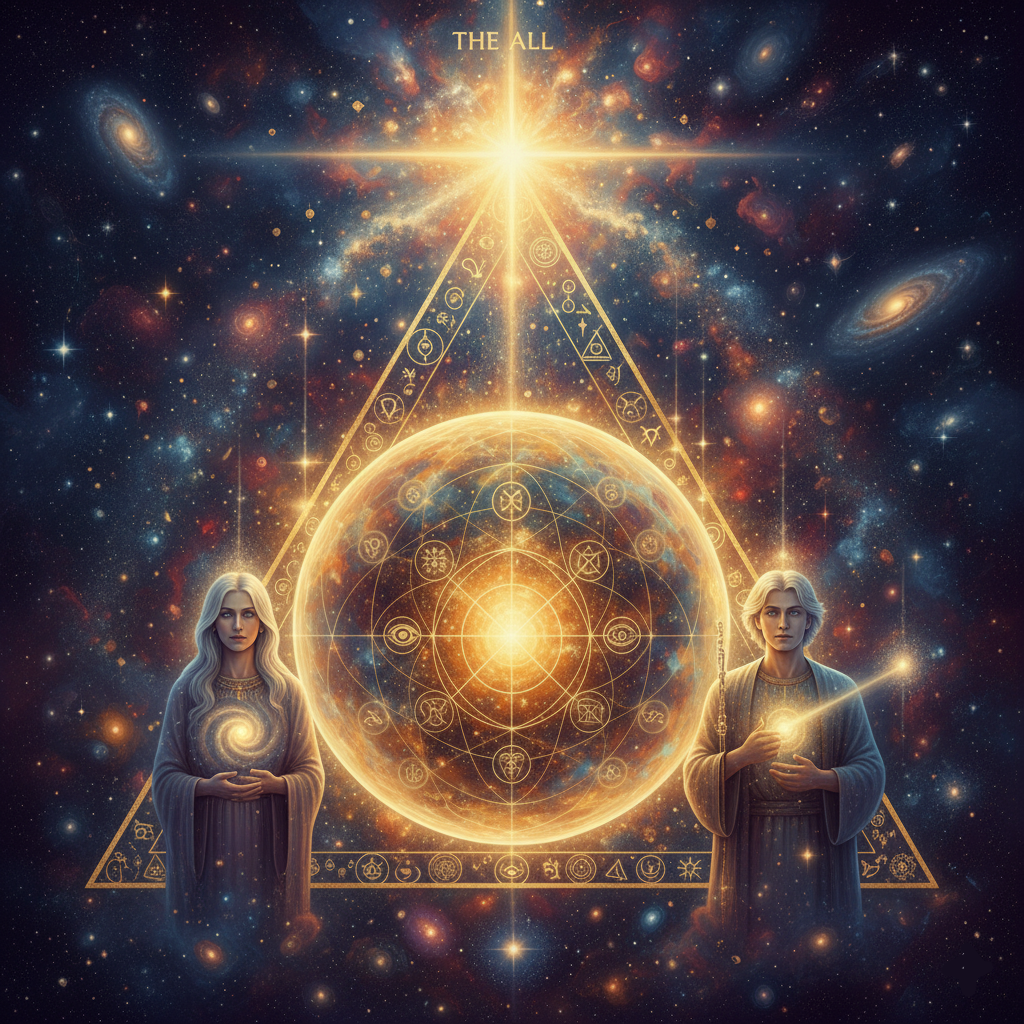
The Gospel of Truth — likely written by Valentinus himself, around 140 CE — opens not with doctrine but with longing:
“The gospel of truth is joy for those who have received grace from the Father of truth.”
It is one of the most beautiful spiritual texts of the ancient world, and one of the most quietly subversive. Salvation in the Gospel of Truth is not a legal transaction. It is a process of waking from a nightmare. The material world is described as a dream — anxious, confused, heavy — and the Christos as the one who comes with a lamp in the dark to remind the sleepers who they are.
“He came in the likeness of flesh, and nothing blocked his way because it was incorruptible and irresistible. Speaking new things, still speaking about what is in the heart of the Father, he brought forth the flawless word of light.”
There is no cross-centered theology here. There is a light entering a dark room.
Gnosis: The Knowledge That Saves
If the Gnostic Christ is a revealer rather than a sacrifice, then what he reveals is gnosis — direct, transformative inner knowing. Not information about the divine. Not doctrine about the divine. The living experience of recognizing the divine as your own deepest nature.
The distinction matters enormously.
Faith, in the orthodox sense, asks you to believe in something external: a historical event, a theological formula, an institutional authority. Gnosis asks you to turn inward with enough clarity to recognize what was already there before any institution existed.
This is why Gnosticism had no catechisms, no creeds, no single authority. You cannot standardize a direct experience. You cannot manufacture in someone else the recognition of their own nature. Teachers could point, texts could create conditions, practices could thin the veil — but the recognition itself arose from the pneuma, from the Pleroma-light within.
The Hidden Sayings

The Gospel of Thomas — another Nag Hammadi text, 114 sayings attributed to Jesus — preserves the most startling version of this teaching:
“If you bring forth what is within you, what you bring forth will save you. If you do not bring forth what is within you, what you do not bring forth will destroy you.”
This is not the language of sin and redemption. This is the language of inner wholeness. The thing within you that must be brought forth is the divine spark itself — the pneuma, the Sophia-light seeded into the human form when Yaldabaoth breathed life into his creation.
The early Church understood precisely what this implied. If the divine is within you, accessible through direct inner recognition, then no institution is required as intermediary. No priest, no bishop, no creed. Every human being holds their own access to the Source.
That was not a theology an emerging imperial Church could survive. It was buried for fifteen centuries. It is back now.
The Awakener’s Gift
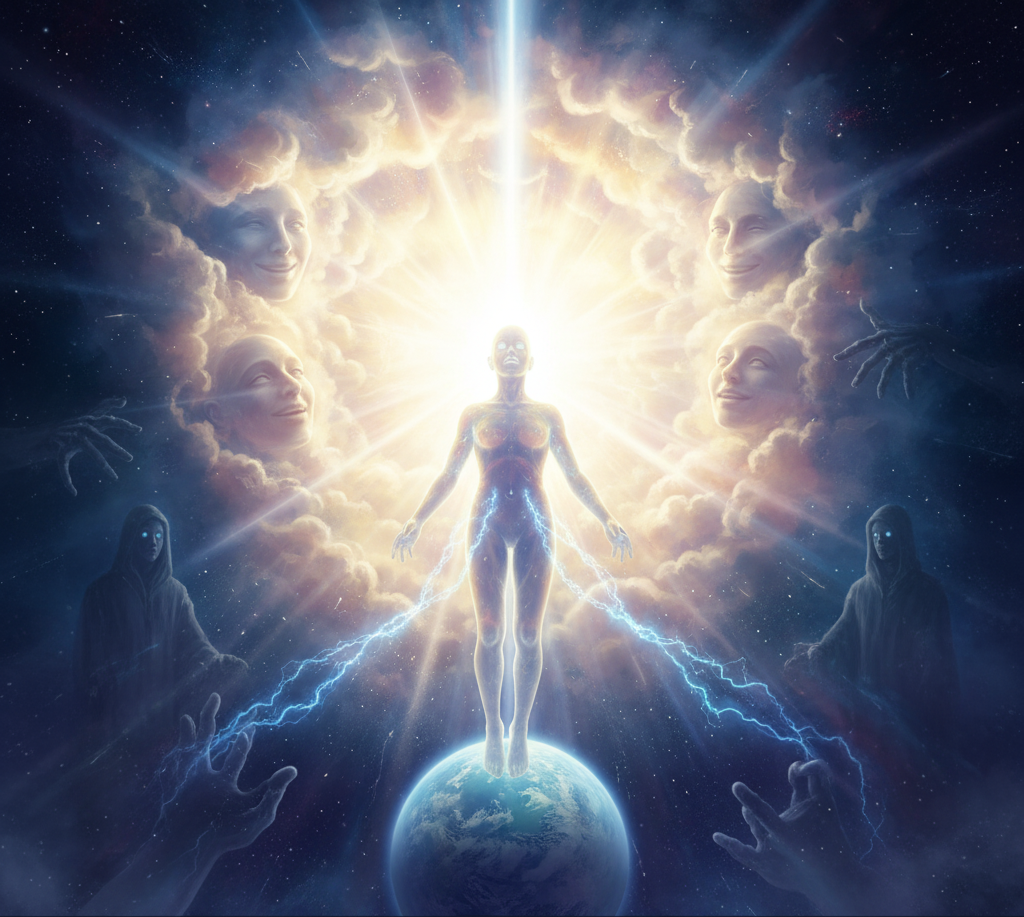
The offers something orthodox Christianity often cannot: a path that begins right now, right here in this body, through this consciousness, without waiting for death or judgment or the dispensation of grace from above.
You are already carrying what you need. The work of gnosis is not acquisition but recognition. Not building something new but remembering something ancient. Not becoming divine but noticing that you already are.
This is the awakener’s gift: not salvation delivered from outside, but the mirror held up until you finally see yourself clearly.
In Part 5, we bring the Gnostic vision into the present — and examine whether the machinery of the Demiurge has found new expression in the digital world we now inhabit.
→ Part 5: The Demiurge of the Machine
Sources
- The Sophia of Jesus Christ (Nag Hammadi Codex III)
- The Gospel of Truth (Nag Hammadi Codex I)
- The Gospel of Thomas (Nag Hammadi Codex II)
- Elaine Pagels, The Gnostic Gospels (1979)
- Stephan Hoeller, Gnosticism: New Light on the Ancient Tradition of Inner Knowing (2002)