
There is a particular kind of person who owns seventeen books or more on inner peace and hasn’t slept well in years.
You probably know one. You might be one. I am.
We are the seekers — the highlighters, the podcast marathoners, the ones who type “ancient Stoic wisdom” into a search bar at 11:47 on a Tuesday night as if the right quote might finally unlock something the last forty-three quotes couldn’t. We collect insights the way others collect receipts: dutifully, compulsively, with the vague sense that we’ll need them later and the quiet dread that we’ve already forgotten the ones from before.
And here is what no one tells you about the seeking life: at a certain point, it stops being a path and starts being a room.
The Accumulation Trap
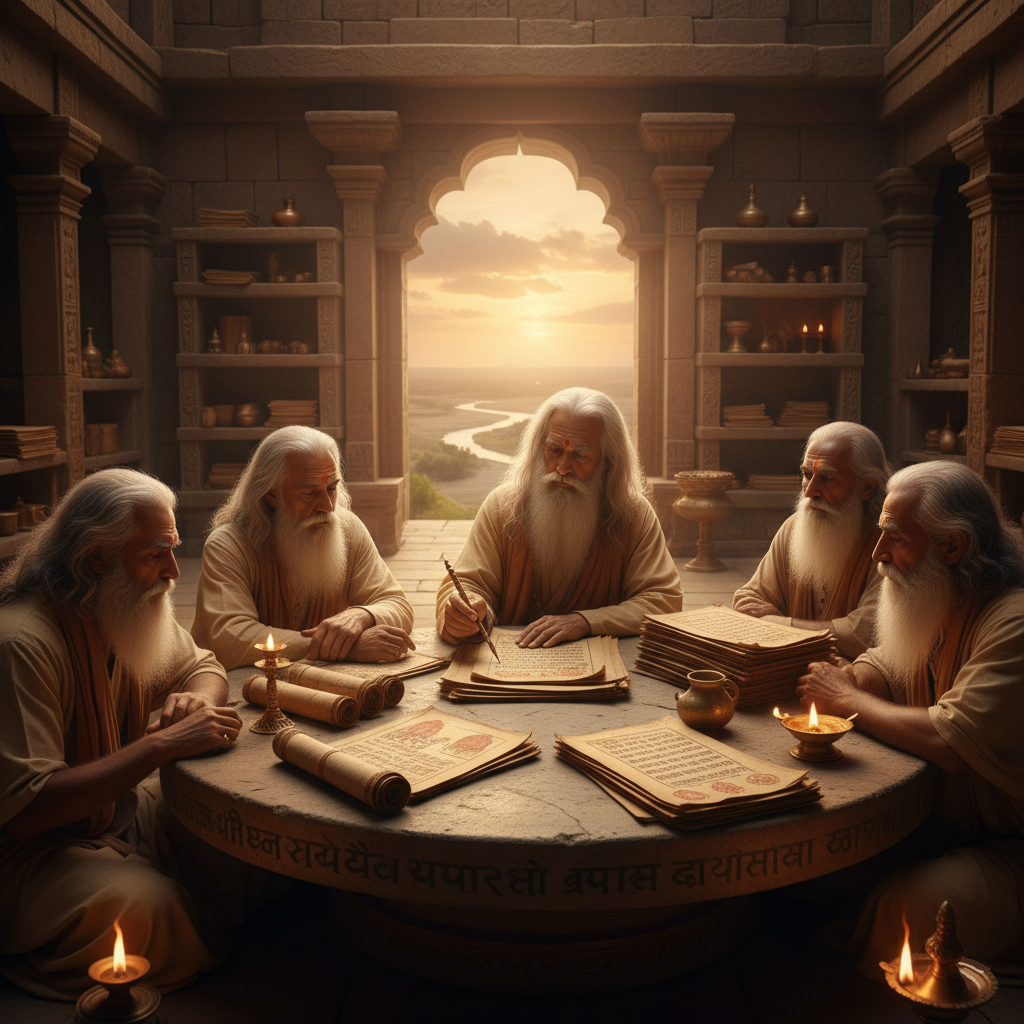
The ancient teachers — from the Hermetic philosophers of Alexandria to the Zen masters of feudal Japan — were unanimous on one point: wisdom cannot be stored. It can only be lived.
This is why so many ancient civilizations left little written traces. It was mostly all oral transmission. The Hermeticists spoke of gnosis not as information but as a kind of direct knowing. This is the interior experience that no text could fully transmit. The Buddha refused to write anything because he understood that truth pinned to a page becomes worship rather than going deep within where all answers lie. Even Socrates, the great Western patron saint of inquiry, was wary of men who accumulated arguments the way merchants accumulated coin — mistaking the map for the territory, the description of the fire for the fire itself.
We, however, live in the golden age of information storage and availability. This wisdom distribution where more of it is available, in more formats, at more hours of the day, easily than probably at any point in human history is daunting. And paradoxically, this abundance has given us a new way to avoid the one thing wisdom has always been pointing toward.
Going where it all lies. Deep within ourselves.
When the Search Becomes the Escape
Here is a pattern I have watched in myself more times than I’d like to admit. And I recognize it in nearly every serious seeker I’ve known:
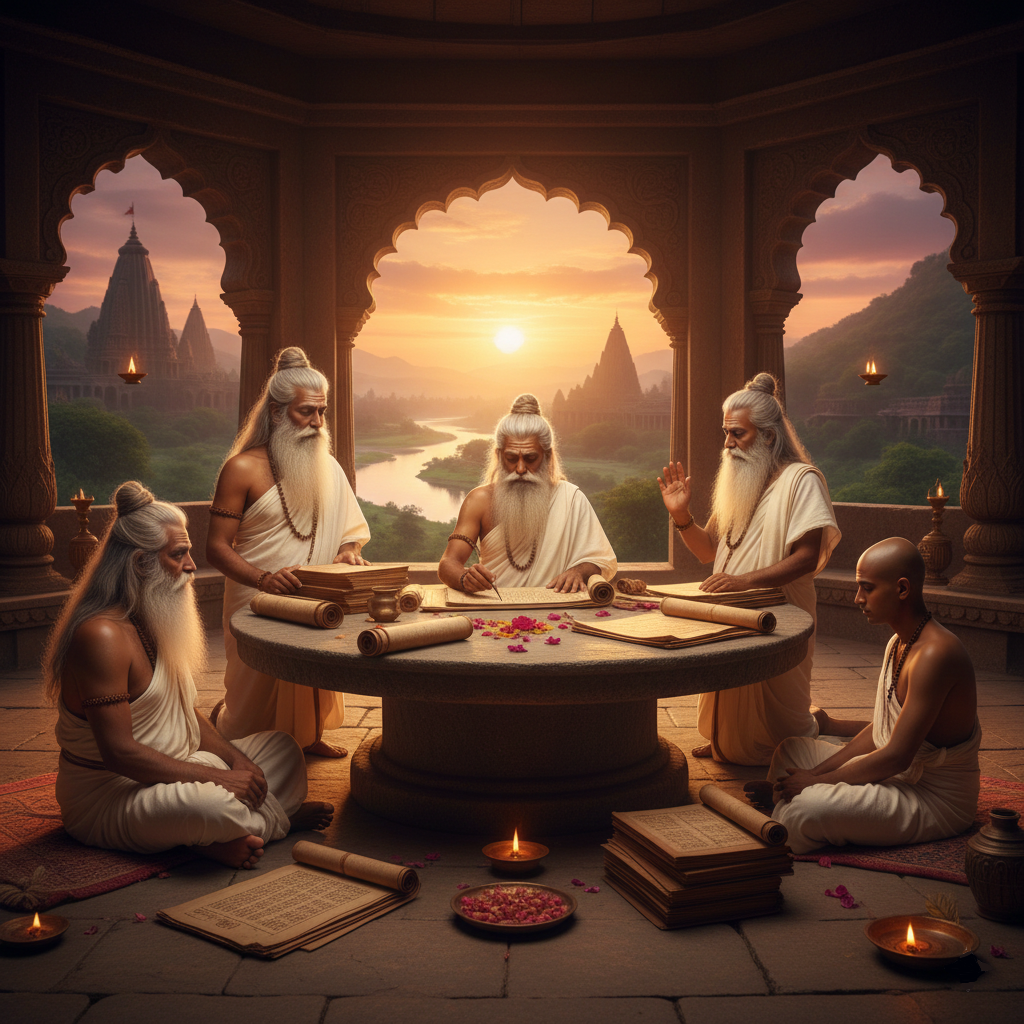
The discomfort rises. Something unresolved stirs — an old wound, a recurring pattern, a fear that hasn’t been properly named. And instead of sitting with it, we reach for the next book. The next episode. The next framework. We call it growth. It feels like growth. It has the texture and vocabulary of growth. And some point, we saturate. This is where excess can creep in and show up in unhealthy ways.
But sometimes — not always, we are doing paperwork. We are filing away insights about our own interior life rather than actually entering it.
The rabbit hole becomes a residence.
There is no shame in this. It is, in fact, a remarkably human response to pain: build a cathedral of understanding around it. Describe its architecture in exquisite detail. Reference what the Stoics would say about it. And in the meantime, keep a respectful distance from the raw, untheorized thing at the center. It isn’t a bad thing. It’s normal. Just as we need sleep to organize what we experienced during the day, those breaks are needed to digest the information.
The wisdom tradition has a name for this gap — the ancient Greeks called it akrasia: the strange phenomenon of knowing what is good and still not doing it. They considered it one of the central puzzles of the human condition. Not a moral failure. A puzzle. A question worth sitting with.
The Long Breaks Are Not Betrayal
And then comes the other side of the cycle: the retreat.
After the binge comes the silence. Weeks, sometimes months, where the podcasts go unplayed and the bookmarked articles accumulate like unanswered messages. We tell ourselves we’ve “fallen off.” We feel guilty in the specific, low-grade way of someone who knows better and suspects they are, once again, not doing better.
But I want to suggest something different.
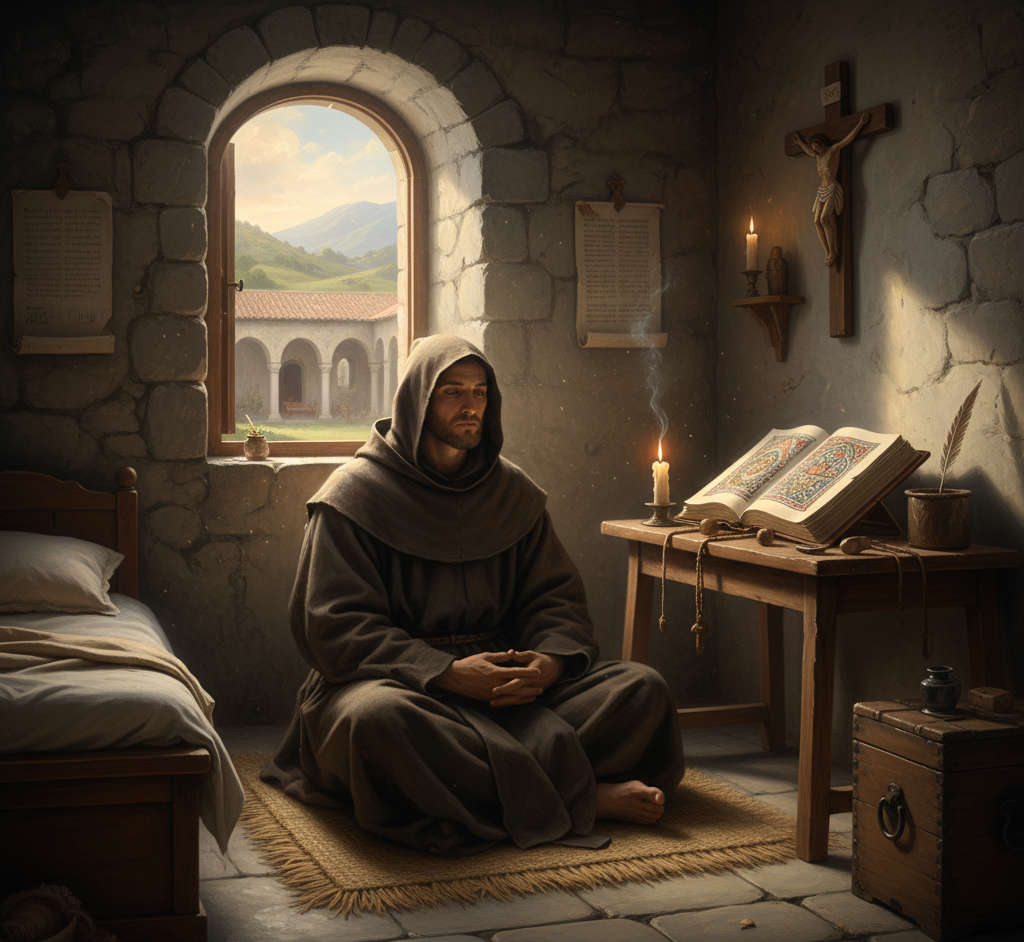
The long breaks are not failure. They are digestion. It’s the psyche doing something the mind cannot do consciously — sorting, integrating, allowing certain seeds to either root or compost. Not all fallow seasons are abandonment. Some are rest. Some are the necessary darkness before something grows.
I’ve noticed this in me particularly in playing music. I love playing instruments. But I’m not diligent about it. I’ll leave an instrument untouched for months only to come back to it feeling I play it with so much more ease.
The Taoist concept of wu wei — often translated as “effortless action” or “non-doing” — points at exactly this: the idea that the intervals between effort are not the absence of the work. They are part of the work.
The Work That Cannot Be Read
There is an old story I have carried for a long time, and I will retell it here in my own words.
In the beginning, when the Creator had given humanity the divine spark, something unexpected happened: people stopped noticing it. What had once been a gift became an assumption. What had been sacred became ordinary. Divinity, freely given, was quietly taken for granted.
And so the Creator decided to hide it.
He gathered the gods of the mountains, the seas, the air, and the earth and posed the question: Where shall we conceal humanity’s divinity — so that they feel its absence, so that the longing itself becomes the teacher?
The god of the mountains spoke first. “Hide it in the deepest cave of the highest peak. They will never reach it.” The others nodded. The Creator paused, then shook his head. In time, humans will search every mountain. They will find it.
The god of the seas offered the ocean’s darkest trench. Again, the Creator listened. Again, the same answer. They are curious creatures. They will descend there too.
The god of the air suggested the upper reaches of the atmosphere — beyond clouds, beyond sky. And still the Creator said: They will go there. They will go beyond even that.
A long silence followed.
Then the Creator smiled — the slow, certain smile of someone who has just remembered something everyone else has forgotten.
I know exactly where to put it, he said. In a place they will not think to look — until they have exhausted everywhere else.
The gods leaned in.
The Creator pointed not outward, but inward — toward the heart.
There, he said. Deep within themselves. When they have finally grown tired of searching everywhere else, they will turn inward. And there they will find what was theirs from the beginning.
The Work That Cannot Be Read
Here is the part that no content creator, including this one, wants to say too loudly:
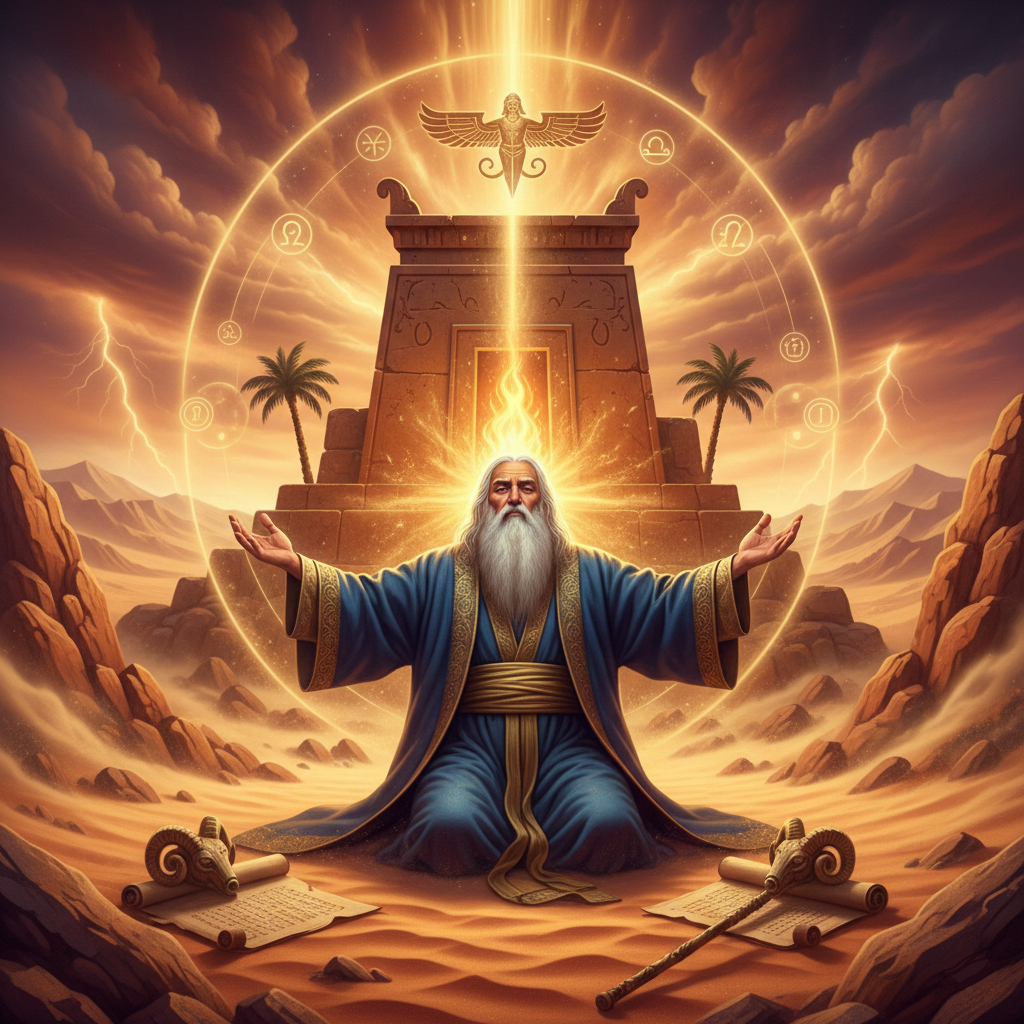
At some point, you have to put the material down and get to work, go in.
Not because the wisdom was wrong. Not because the teachers failed you. But because wisdom, at its best, has always been a pointing gesture — toward an interior territory that only you can map, using methods that no author can fully prescribe. You can read every account of what it feels like to grieve, to forgive, to release a long-held identity. And still, when the moment comes, you will have to do it yourself, in real time, in the dark, with no podcast playing.
This is not a failure of the seeking life. It is its destination. You may have access to it all, but you must do the work. No one else can do that for you. And, deep down, we all know this.
The reading, the listening, the watching — all of it was preparation. Orientation. The slow accumulation of a vocabulary for an experience that was already waiting for you. The work was never in the content. The content was always pointing at the work.
What Remains When You Look Up
So here is what I want to leave you with, because I think it matters:
If you are reading this, you are still trying.
After all the cycles — the binges and the breaks, the rabbit holes and the long silences, the guilt and the returning — you are still here, still curious, still reaching toward something better in yourself. That is not a small thing. That is, in fact, an extraordinary thing.
Most people never start. Most people choose the comfortable numbness of not asking. You are asking. You have been asking, in your imperfect, looping, occasionally exhausted way, for a long time.
The ancient wisdom traditions did not promise a linear path. They promised a return. Shuvah in the Hebrew tradition — the turning back. Metanoia in the Greek — the change of mind that comes not once but again and again. The Prodigal Son or Daughter does not come home having perfected themself. They come home having come home. That is the whole of it.
You are still trying. After everything.

At TheWholisticCenter.com, we believe ancient wisdom is not a destination but a direction — one we navigate imperfectly, repeatedly, and together.