We’ve all read books that make us dream—stories that inspire us to imagine better worlds and transform our lives. Sometimes we build entire belief systems around them. We follow their teachings to the letter.
Then, years later, we discover the truth: they were made up. Fabricated. Fiction presented as fact.
It raises an important question: Is the messenger more important than the message?
The Books That Made Us Dream
One such collection was Baird T. Spalding’s five-volume series Life and Teaching of the Masters of the Far East. The books are beautiful. They make you dream of enlightened masters living in remote Himalayan monasteries, performing miracles, and sharing ancient wisdom. It makes you want to buy a ticket to visit India and be close to the masters.
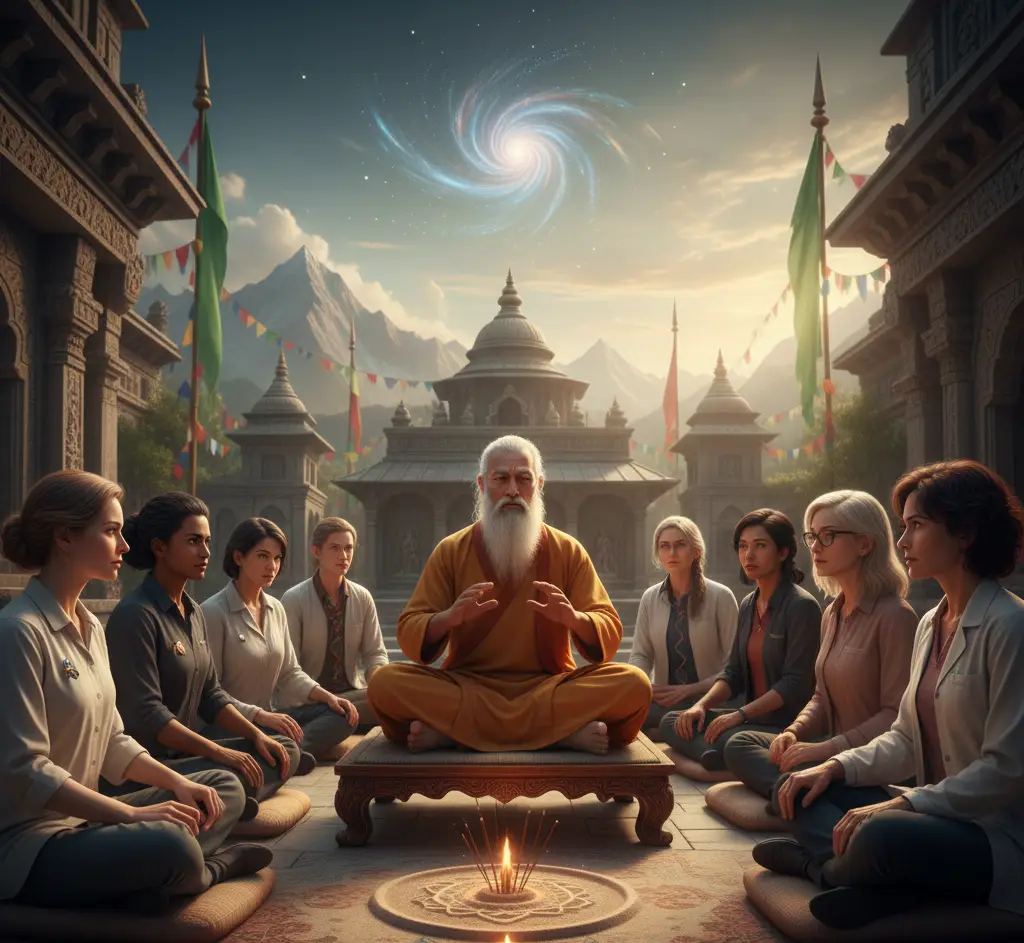
But it didn’t happen. Spalding never made those journeys, or at least, the first one. The masters he described never existed, or if they did, there are no records of them, not even the villages and faulty geography.
Does that negate the message, though?
The same question applies to Carlos Castaneda’s tales of don Juan Matus, the Yaqui shaman who supposedly taught him about alternate realities and shamanic practices. Or Marlo Morgan’s Mutant Message Down Under, which claimed to document her walkabout with a remote Australian Aboriginal tribe called the “Real People.”
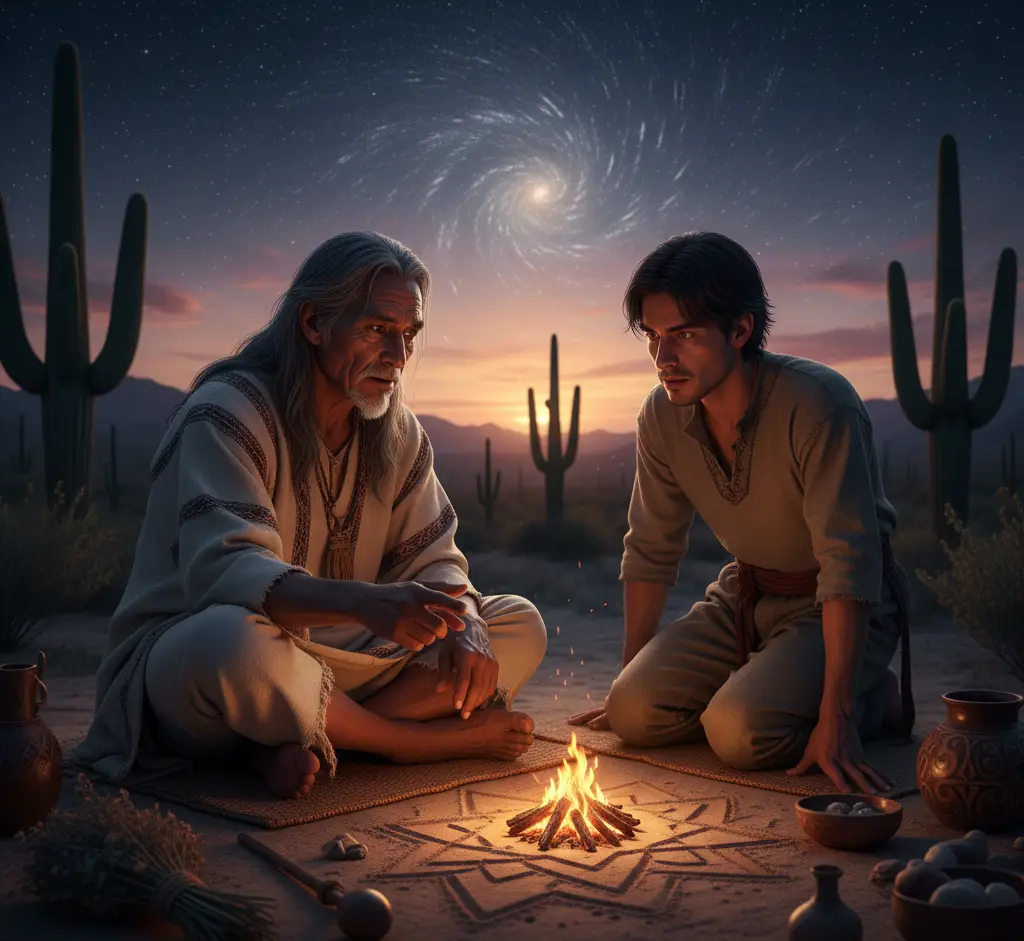
All these books follow the same pattern: someone claims to have been somewhere special, or chosen by spiritual guides, or witnessed extraordinary events—and then delivers an amazing message about consciousness, healing, or enlightenment.
The Mutant Message Controversy
Morgan’s case is particularly instructive. She claimed to have traveled to Australia and been taken in by a remote tribe of Australian Aboriginals called the “Real People.” According to her book, she joined them on a 1,400-mile walkabout through the desert, where they taught her ancient wisdom about oneness, healing, and simple living.
The book became a bestseller in the 1990s. Morgan presented it as “based on actual experience” and toured as a spiritual teacher, drawing from the story’s teachings. Perhaps everyone simply failed to ask her what “actual experience” meant to her.
The problem was that she had never been to Australia, as was confirmed later.
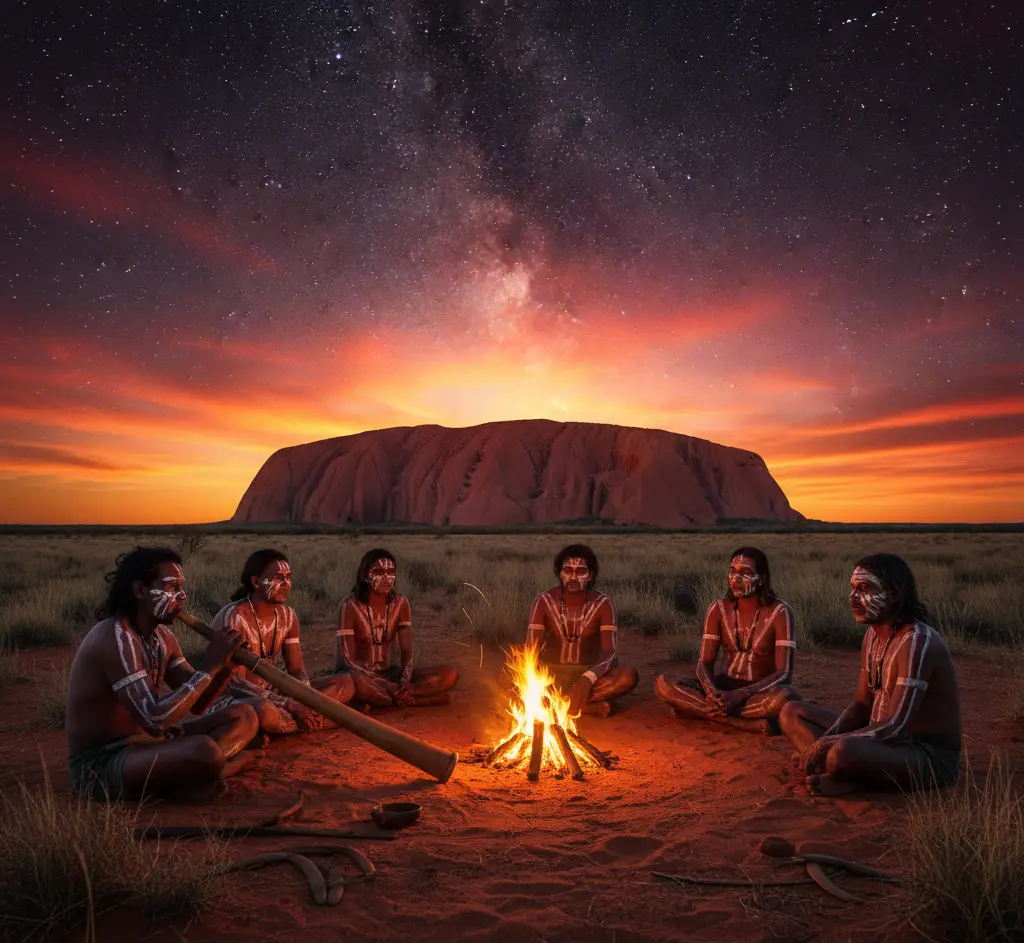
Australian Aboriginal groups and elders quickly called it a hoax. The Dumbartung Aboriginal Corporation led a campaign stating that no tribe called the “Real People” existed and that Morgan never visited the central desert or lived with any such group. They said her descriptions of Aboriginal culture, ceremonies, and Dreamtime were inaccurate, offensive, and stereotypical. They took particular offense to calling Westerners “mutants” who can no longer survive in nature.
The Dumbartung elders even traveled to the U.S. to confront her publicly. Morgan eventually admitted the story was fictional but insisted it contained “truths” she received through visions or intuition. Her publisher added a disclaimer calling it a novel, but critics said the change came too late and the damage was done.
Why Honesty Matters
Had Morgan called her story “based on visions and intuition” from the beginning, it might still have been a spiritual classic. The same applies to Spalding’s work. As for Castaneda, too many readers still believe his stories are factual accounts. So here’s the critical question: Does it really matter in the end? If the message is valuable, does the source matter?
The answer is yes—but not for the reason you might think.
It’s one thing to inspire hope and offer spiritual insights. It’s quite another to exploit cultures, harm their real struggles for recognition, and profit from their traditions while misrepresenting them. Many of these authors ultimately helped create distrust of Western “New Age” spirituality through cultural appropriation of Indigenous traditions.
The solution is simple: present fiction as fiction. Tell readers upfront: “This story is imagined, but the principles I’m exploring are real.” That approach honors both the message and the cultures being referenced.
The Ramtha Evolution
Another book that enthralled me was the first Ramtha book by J.Z. Knight. If you’re not familiar, Ramtha is supposedly a 35,000-year-old warrior from Atlantis who achieved enlightenment and now speaks through Knight in trance states.
The first book was magical—the story of Ram, who escapes the sinking of Atlantis, processes tremendous anger, finds divine peace, and becomes a living god who leads people to better places.
But the second book lost its spark. The energetic signature changed. It became more about J.Z. Knight herself, who was portrayed as Ramtha’s beloved daughter. The focus shifted from the teachings to the teacher. By the third book, the divine inspiration felt absent—replaced by the obvious hand of a human author building a brand.
Eventually, Knight created the Ramtha School of Enlightenment, a center for retreats and workshops intended to help students expand consciousness through Ramtha’s teachings. The message became secondary to the messenger.
The Wholistic Center’s Approach
Spalding, Morgan, and Knight represent a pattern: Westerners claiming direct contact with spiritual masters or ancient wisdom to deliver universal truths.
There’s nothing inherently wrong with that approach—if it’s presented honestly.
I’ve been developing a book storyline for decades. Unlike these authors, I will clearly label it as fiction based on historical facts and creative imagination. The principles I explore will be grounded in real spiritual traditions, but I won’t claim the story itself is a documentary of actual events.
This honors both the message and the reader’s intelligence.
No Ascended Masters?
The famous modern esoteric teacher Neville Goddard once said something that cuts to the heart of this issue:
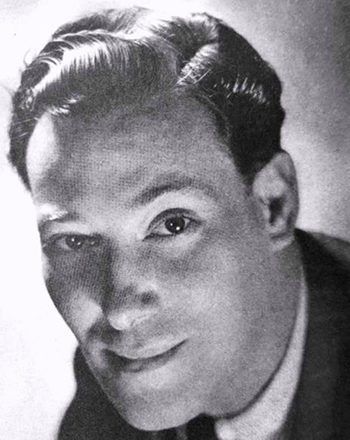
“No! No masters, elder brothers and all this nonsense. All through the world you have these isms glorifying the little individual who started it. No, you can’t meet anyone in this world, not anyone, who potentially is greater than you are.”
While I shy away from blanket affirmations like this, Goddard’s point is worth considering: seeking external masters might distract us from recognizing our own direct connection to Source.
This aligns perfectly with The Wholistic Center’s core philosophy. As we explore in our article on the pathless path, your spiritual journey is uniquely yours. No guru, no book, no teaching can give you a map—because the terrain is different for everyone.
The Real Question
So when we discover that a beloved spiritual book was fiction all along, what should we do?
Ask yourself:
- Does the teaching help me connect more deeply with my own inner knowing?
- Does it empower me to trust my direct experience, or does it ask me to surrender my judgment to an external authority?
- Does it honor other cultures and traditions, or does it appropriate and misrepresent them?
- Does the author’s dishonesty undermine the integrity of the message itself?
If a teaching helps you reconnect with your sovereignty and inner compass—regardless of whether the story is literally true—it may still have value.
But if the entire premise rests on “I met the masters and you didn’t, so believe me,” then the dishonesty matters greatly. It’s not just about the lie—it’s about the power dynamic it creates.
Moving Forward
The message can matter more than the messenger—but only when the messenger is honest about what they’re offering.
Fiction can contain profound truth. Metaphor can illuminate reality. Imagination can be a valid spiritual tool.
But when authors present imagination as documentation, visions as journalism, and fabrication as fact, they betray both their readers and the spiritual traditions they claim to represent.
The solution isn’t to stop reading spiritual books or to distrust all teachers. The solution is to:
- Check sources and claims when authors present stories as factual
- Honor your own discernment over external authority
- Recognize that powerful teachings can come through fiction—when labeled honestly
- Support authors who respect both their message and their readers
As The Wholistic Center reminds us, you already have direct access to Source. You don’t need someone else’s fabricated journey to validate your own authentic path.
Trust your inner compass. Question: What doesn’t resonate? And remember: the most powerful spiritual teacher you’ll ever meet is the one looking back at you in the mirror.
Related Reading
- The Pathless Path: Why Your Inner Compass Can’t Be Mapped – Explore how to trust your own direct connection to Source
- The Healer’s Paradox: Why Loving Someone Means Letting Them Choose Their Path – Understanding sovereignty in spiritual practice
Continue Your Journey: Discover more about wholistic living, sovereignty, and authentic spiritual practice at The Wholistic Center