These articles are part of the build your own spiritual cocktail series. We present these ancient wisdom for you to pick and chose what fits, disregarding what doesn’t. And as with any good cocktails, tweak as you wish and update the recipe to find what fits. Eventually throughout life, you realize you need less and less ingredients. And this article grew so big due to its inherent complexity, I had to cut it in two. If you have corrections or wish to add to these articles, please contact us.
We looked at part 1 of yoga and today we dive deeper into its origin and its western interpretation.
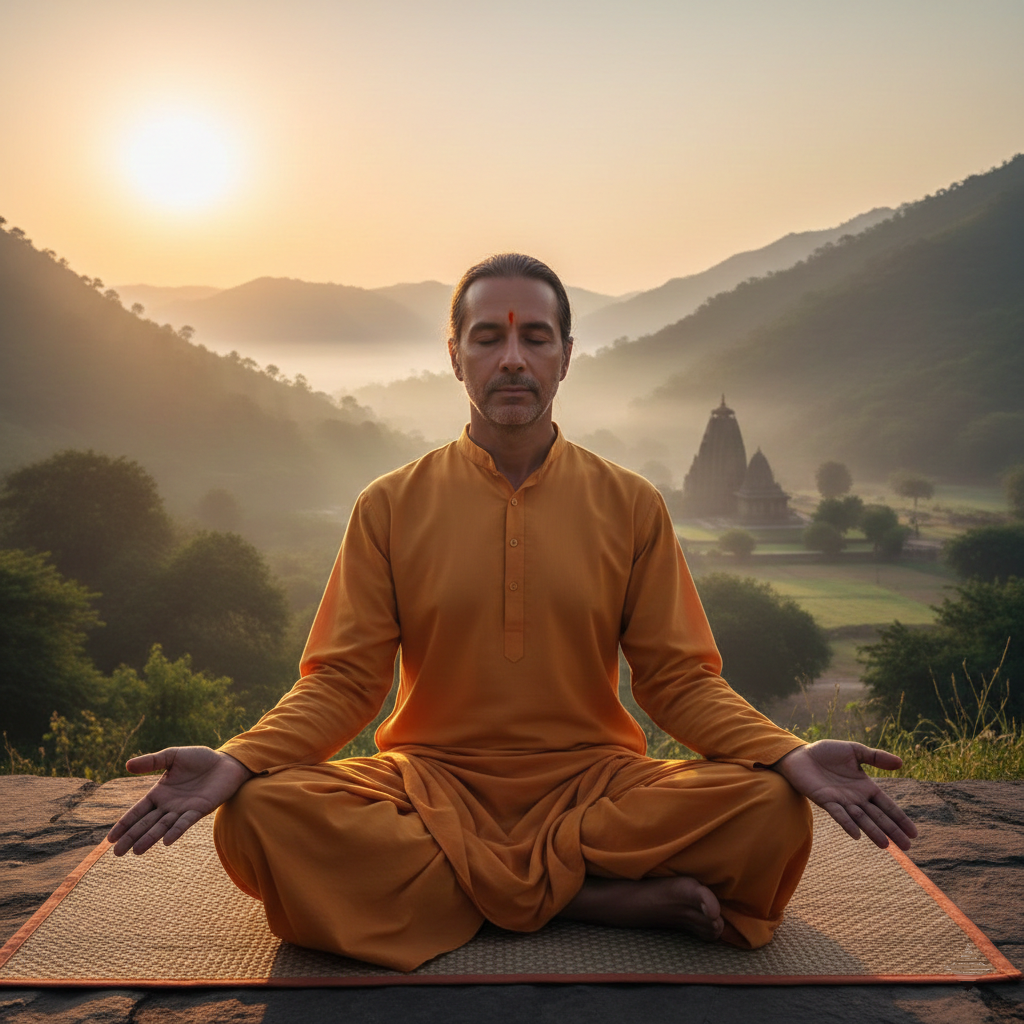
The yoga that dominates Western studios today bears little resemblance to the traditional Indian systems. This dramatic transformation occurred through a complex interplay of colonial history, Indian nationalism, European physical culture, and modern commercialization.
The Colonials Who Influenced Yoga
During British colonial rule in India from 1858–1947 that lasted 89 years, traditional yoga practitioners, particularly wandering ascetics who demonstrated physical feats and contortions. They were viewed with contempt by both British colonizers and the Indian upper classes. Yoga was associated with lower-caste practices and was far from respectable at that time.
However, the late 19th and early 20th centuries saw the rise of Indian nationalism and a desire to reclaim Indian cultural practices. Physical fitness became linked with national strength and the ability to resist colonial oppression. Many Indian reformers began blending Western gymnastics with indigenous practices, often calling these hybrid systems “yoga.” This is something we talked about with how Buddhism embraced both the traditional Japanese system of Shintoism, and Bon in Tibet,
The Critical Influence of Western Gymnastics
Scholar Mark Singleton’s groundbreaking research, particularly in his book Yoga Body: The Origins of Modern Posture Practice (2010), revealed an uncomfortable truth for many yoga practitioners: much of modern postural yoga derives not from ancient Indian tradition but from early 20th-century European gymnastics systems.
Singleton discovered striking similarities between modern yoga poses and Danish gymnastics (particularly Niels Bukh’s “Primitive Gymnastics”), Swedish gymnastics, British military calisthenics, and the harmonial gymnastics movements popular among European and American women. These physical culture systems were introduced to India during colonial rule and merged with indigenous practices. They made their way into Yoga.
The most influential figure in this transformation was T. Krishnamacharya (1888-1989), who taught at the Mysore Palace under the patronage of the Maharaja. The gymnastics hall where Krishnamacharya taught contained equipment like parallel bars and hanging ropes, typical of Western gymnastics facilities. Evidence suggests he synthesized hatha yoga principles with Western physical training methods, creating a dynamic, physically demanding practice designed for young Indian men.
Krishnamacharya’s students became the founding figures of modern global yoga: B.K.S. Iyengar, K. Pattabhi Jois, Indra Devi, and T.K.V. Desikachar. Through them, this modernized, gymnastics-influenced yoga spread worldwide.
Inversions and the British Gymnastic Influence

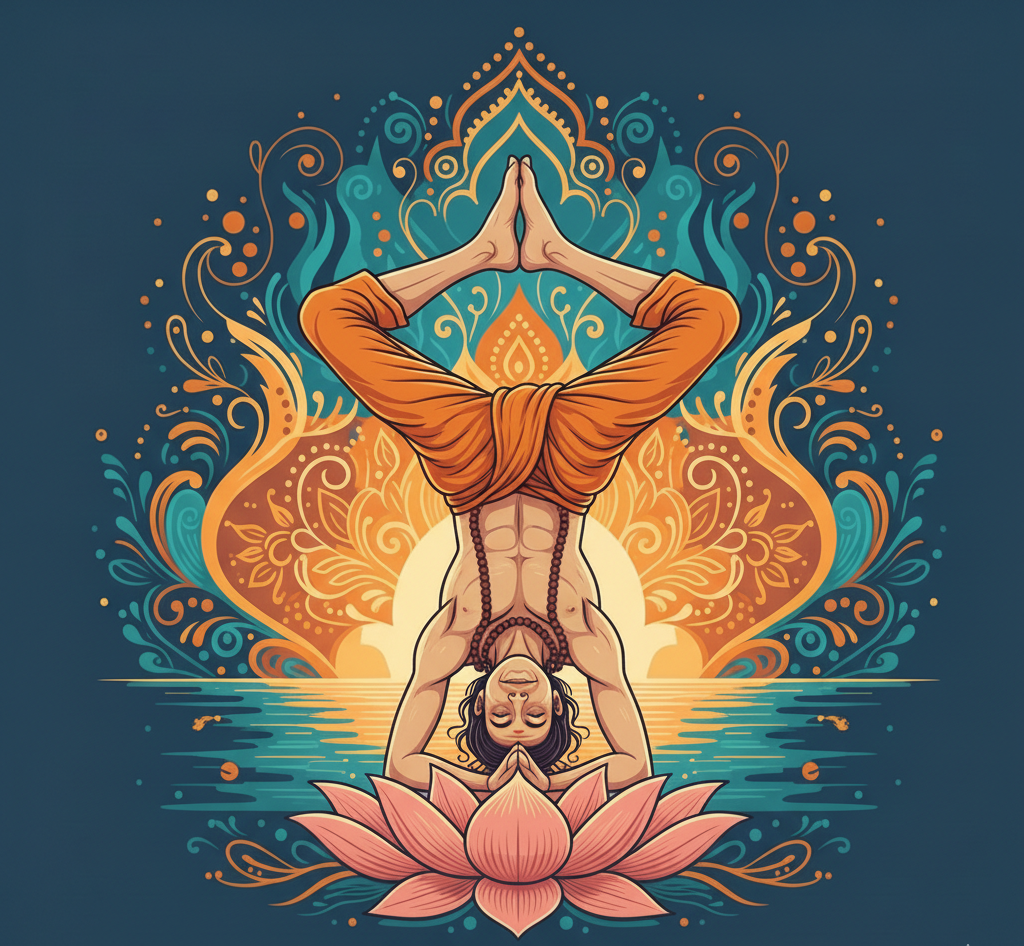
One particularly fascinating example of Western influence concerns inversions—headstands, handstands, and forearm balances now ubiquitous in yoga classes. While some form of Sirsasana (headstand) appears in later hatha yoga texts like the Hatha Yoga Pradipika, the elaborate array of inversions and arm balances taught today owes more to European gymnastics and contortionist traditions than to classical Indian yoga.
The emphasis on weight-bearing inversions, handstands with straight arms, and the acrobatic quality of modern vinyasa sequences reflects gymnastics training far more than traditional meditation-focused practice. In Patanjali’s system, the goal was simply to sit comfortably for meditation—not to balance on one’s head or perform flying transitions between poses. Many yogis rightfully claim that both wrists and neck were not designed to withstand the weight of a body.
The Vulgarization of Yoga in the West
The term “vulgarization” might sound harsh, but it accurately describes how yoga’s profound philosophical and spiritual dimensions have been stripped away in favor of a primarily physical practice focused on flexibility and fitness.
Modern Yoga Studios: Stretching Classes in Disguise?
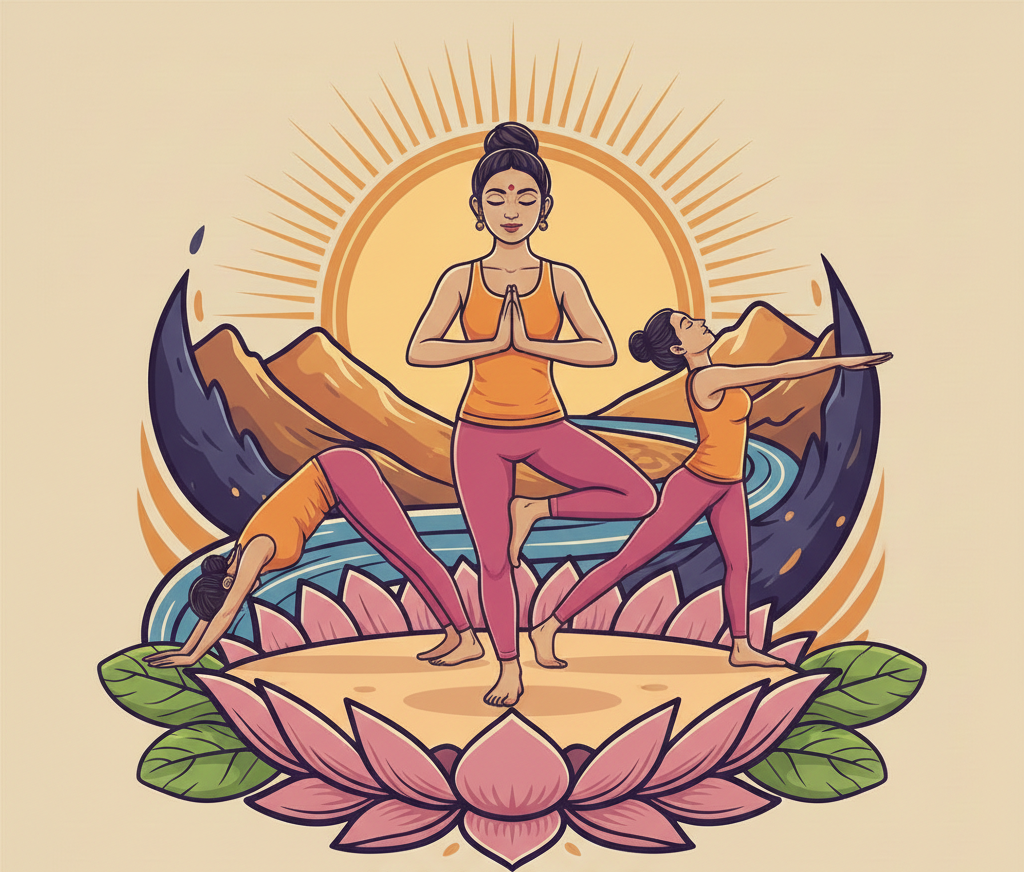
Walk into most Western yoga studios, and you’ll find classes that more closely resemble advanced stretching sessions than spiritual practice. The focus is predominantly on:
- Achieving difficult poses
- Building flexibility and strength
- “Yoga butt” and toned bodies
- Instagram-worthy postures
- Calorie burning and weight loss
Studies show that even among yoga teachers, there’s disproportionate emphasis on asana (89.2% of teachers report emphasizing it) and pranayama (91.9%), while the ethical foundations (yama and niyama) receive significantly less attention (73-75.7%). The meditative and contemplative limbs fare even worse, with dharana (concentration) emphasized by only 64.9% of teachers.
Many Western studios reduce yoga to what one critic called “joint stretching”—physical manipulation with Sanskrit names attached. The spiritual heart of the practice—the transformation of consciousness, ethical living, and pursuit of liberation—is either completely absent or reduced to vague platitudes about “finding your inner peace” while purchasing expensive athleisure wear.
The $27 Billion Industry
Yoga has become a massive commercial enterprise in the West. What began as a spiritual path requiring nothing but a quiet space has spawned an industry selling:
- Designer yoga mats ($100+)
- Luxury yoga clothing and accessories
- Boutique studio memberships ($200+/month)
- Exotic yoga retreats ($3,000+)
- Teacher training certifications (often after just 200 hours of training)
- Yoga props, blocks, straps, wheels, and countless gadgets
- Tight and stretchy yoga clothes
This commercialization has rendered yoga exclusive. High prices make it accessible primarily to affluent practitioners, ironically marginalizing the Indian and Hindu communities from whom the practice originated. Its superficial aspect backed by heavy-handed marketing emphasizes physical transformation, stress reduction, and wellness rather than spiritual development or philosophical depth.
Also lost in the translation is the cultural aspect of yoga. While almost anyone recognizes the sacred symbols, such as Om, images of deities, and mandalas, they tend to fashion statements and studio decorations. Often time, Sanskrit terms are used without correct understanding. The spiritual context is stripped away while the exotic “Eastern mysticism” aesthetic is retained for marketing purposes.
What was once ancient teaching that yoga should be freely shared has been replaced by profit-driven business models.
The Instagram Yoga Phenomenon
Social media has played a role these last decades by amplifying yoga’s focus on physical achievement and aesthetics. Instagram is flooded with images of practitioners (overwhelmingly young, thin, flexible women) performing advanced poses in exotic locations, often in revealing athletic wear. This creates several problems, especially for self-conscious young ladies:
- Reinforces narrow beauty standards
- Emphasizes ego and external validation (likes, followers)
- Presents unattainable ideals that discourage beginners
- Reduces yoga to visual spectacle
- Completely contradicts yoga’s teachings about non-attachment, humility, and inner focus
The irony is profound: a practice designed to free us from ego identification and external validation is now vulgarized as a platform for self-promotion and comparison.
Not All Western Yoga Has Lost Its Way
It’s important to acknowledge that not all Western yoga studios and teachers have succumbed to commercialization. Many teachers genuinely attempt to preserve yoga’s philosophical roots.
Some studios incorporate all Eight Limbs into their teaching and teachers who study the Yoga Sutras and other traditional texts seriously exist. Programs that emphasize meditation, pranayama, and ethical living alongside asana are taught by teachers who acknowledge and respect yoga’s Indian origins. And yes, you can still find accessible, donation-based classes that prioritize inclusion over profit and programs focused on yoga therapy and healing rather than fitness.
These teachers and studios recognize that while the physical practice has value, it should serve as a gateway to deeper philosophical and spiritual exploration—not an end in itself.

Bridging Ancient Wisdom and Modern Practice
So where does this leave sincere yoga practitioners in the West? How can we honor yoga’s profound tradition while living in modern Western culture?
Educating Yourself
While your first trip to a yoga studio will show you your body is not as finely tuned as you would like, you’ll find the same about your mind. Study the Yoga Sutras, Bhagavad Gita, and other traditional texts as you do yoga. It will exponentially multiply its benefits. Understand that physical postures are just one small part of a comprehensive philosophical system and work with the meditative aspect of Yoga. Recognize that much of modern yoga is a recent innovation, not an ancient, unchanged tradition.
Practicing with Integrity
Once you learn about yoga’s root it’s easy to practice it with ethical principles (yamas and niyamas). You can quickly develop a regular meditation practice while studying pranayama. Approach that practice with humility rather than ego.
Acknowledging Origins
With anything we do, it doesn’t hurt to recognize and respect that yoga comes from Hindu and Indian philosophical traditions. Learn about these traditions with cultural sensitivity. Support Indian and Hindu teachers. Push back against cultural appropriation when you encounter it.
Be mindful of yoga marketing that prioritizes consumption over consciousness. Support studios and teachers who emphasize accessibility and depth over profit. Recognize when “wellness culture” contradicts yoga’s actual teachings.
Finding Your Path
Remember that traditional yoga recognized multiple paths (bhakti, karma, jnana, raja). Physical practice doesn’t resonate with everyone, and that’s okay. The essence of yoga—union with the divine, liberation from suffering, transformation of consciousness—can be approached through many doors.

Dharma Mittra Yoga
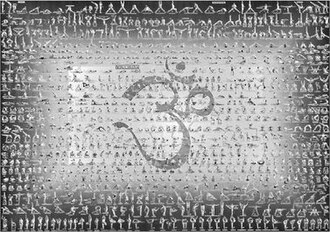
I was fortunate to have learned yoga from Dharma Mittra, at his Dharma Yoga Studio in New York City. Why was it so special? Dharma was one of the early people who introduced yoga in the west. He was taught by a real Indian yogi in the 60s. Having studied with him, I never found a yogi that satisfied my quest for more. Dharma would also have a special session on Wednesday where we did pranayama and his yoga for an hour and a half. I can tell you that 2 hours later in the middle of New York City, I was still carrying that indescribable zen quality I left with at the studio. I miss him dearly.
Conclusion: Reclaiming Yoga’s Heart
Patanjali urges ethics and stillness first. Western “yoga” vulgarizes by prioritizing aesthetics over citta-nirodha. Blend wisely: use gentle asana for health, but chase mind-quieting.
We’re not saying that these modern Western interpretations of yoga is bad. Quite the contrary. They serve as an opening of the door for those who wish to go deeper into yoga. But we do warn of potential future joint problems. I should know. By doing head and wrist stands, I have injured my body practicing western yoga more than playing rugby. I’m paying the price today with constant and much needed chiropractor visits. Caveat emptor!
The evolution of yoga from ancient Indian philosophy to modern Western exercise represents both loss and opportunity. We’ve lost much of the philosophical depth, spiritual purpose, and cultural context. Physical postures have been overemphasized while ethical living, meditation, and self-inquiry have been sidelined. The practice has been commercialized, appropriated, and sometimes reduced to mere physical flexibility training.
Yet this evolution has also made certain aspects of yoga accessible to millions who might never have encountered it otherwise. Many people have discovered meditation through yoga classes. Physical practice has led some to deeper philosophical exploration. The challenge is to reclaim yoga’s essential teachings while adapting them meaningfully to contemporary life.
True yoga—whether practiced through postures, meditation, devotion, service, or study—remains a profound path toward freedom, self-understanding, and transformation. It asks us to look beyond the surface, beyond the poses and the products, to the timeless questions: Who am I? What is the nature of consciousness? How should I live? What is liberation?
These questions, not the perfect handstand, lie at the heart of authentic yoga practice.
Scholarly Sources
- Singleton, Mark. Yoga Body: The Origins of Modern Posture Practice (2010)
- De Michelis, Elizabeth. A History of Modern Yoga: Patanjali and Western Esotericism (2004) (PDF)
- White, David Gordon. The Yoga Sutra of Patanjali: A Biography (2014)
- Singleton, Mark & Byrne, Jean (eds.). Yoga in the Modern World (2008) (PUB)
Related Wholistic Center Wisdom:
- Taoism’s Wu Wei – Effortless flow.
- Wordless Thinking – Pre-concept awareness.
- Shamanism Preview – Nature harmony.
External Reads:
Tweak your cocktail: Patanjali’s stillness > Instagram flex. What “yoga” calls you? Comment below!
This article aims to provide an honest, comprehensive look at yoga’s transformation while honoring both its profound traditional roots and the legitimate adaptations that make it accessible today. The goal is not to shame practitioners but to encourage deeper understanding and more authentic practice.