
The “Unruly Child” in Our Adult Lives
We’ve all seen it: a child in a grocery store, red-faced and screaming, while a parent tries to “manage” the situation through logic or sheer force. In psychology, we often see this same dynamic playing out internally.
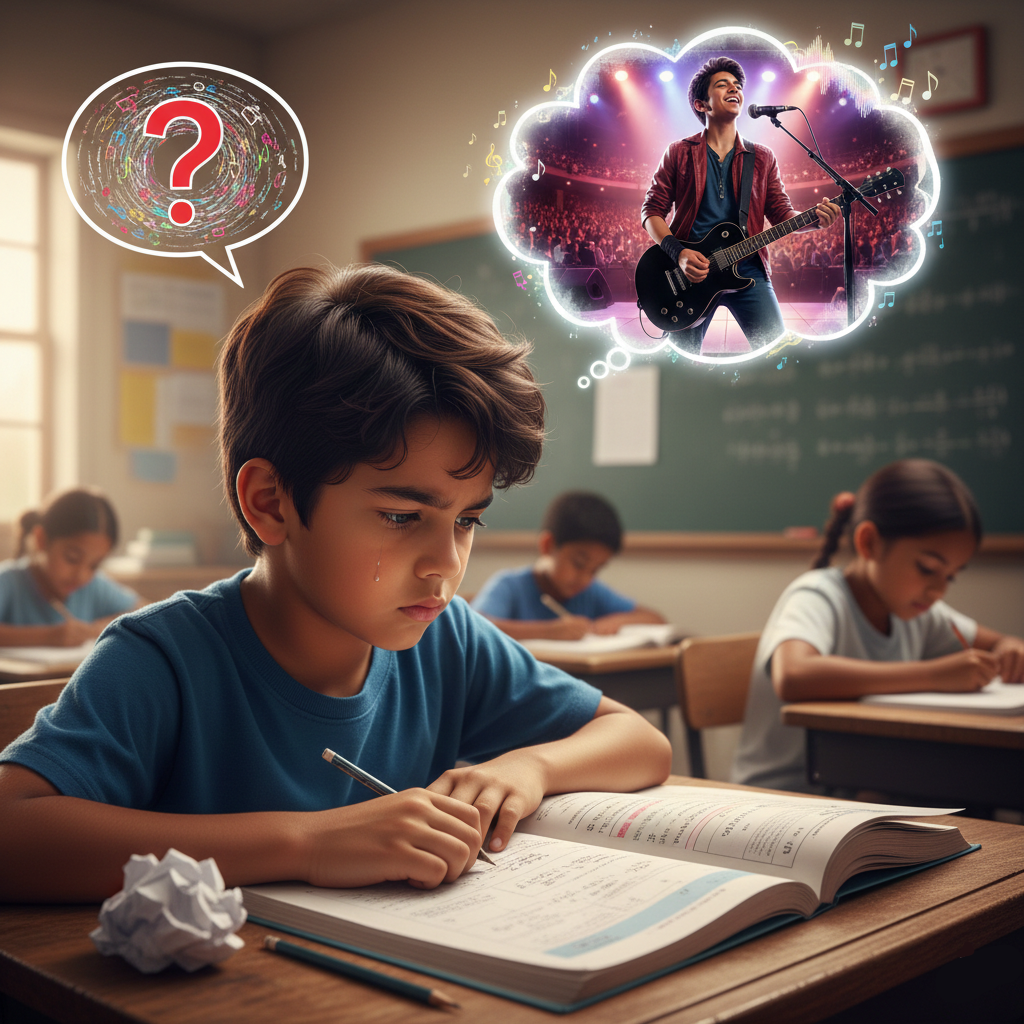
When we feel an irrational surge of anger, a wave of adult burnout, or a sudden desire to withdraw, it’s rarely the “Adult” in us speaking. It is the inner child—that part of our psyche that carries our earliest unmet needs and emotional triggers.
Why Resistance Doesn’t Work
Most of us were taught to “grow up.” We try to suppress, ignore, or discipline our internal restlessness. But in trauma-informed healing, we know that an ignored child doesn’t get quieter; they get louder.
When you ignore the “child within,” they become the “unruly child.” They sabotage your productivity, strain your relationships, and cloud your peace of mind. They aren’t trying to be “bad”; they are simply trying to be seen.
The Power of Acknowledgment: The “I See You” Technique
Inner child work doesn’t always require a 10-year deep dive into your past. Often, healing starts with a three-second shift in awareness. See The Practice of Finding Inner Stillness. This simple practice of self-compassion can stop an emotional spiral in its tracks.
Instead of trying to “fix” your mood, try this:
- Pause: When you feel a trigger, stop moving.
- Turn Inward: Imagine that feeling is a small version of you.
- Acknowledge: Say, “I see you.”
How Acknowledgment Creates Wholeness
By saying “I see you,” you shift your internal role. You stop being the “Strict Parent” and start being the “Compassionate Witness.” You aren’t agreeing with the tantrum; you are validating the existence of the child behind it.
This act of acknowledgment creates an immediate internal “exhale.” The unruly child relaxes because the search for attention is over. They have finally been found.
SOURCES
Psychology Today, “Deep Secrets and Inner Child Healing” by Diana Raab, Ph.D.
Cleveland Clinic, “How To Heal Your Inner Child“
Healthline, “8 Tips for Healing Your Inner Child“
National Association for Children of Alcoholics (NACoA), “Healing the Inner Child“
Wikipedia, “Inner child” (for Jung/Bradshaw historical context)
Thich Nhat Hanh, Reconciliation: Healing the Inner Child. Berkeley, CA: Parallax Press, 2010.