

Finding Stillness: The First Step to Wisdom and Better Decisions
What do mystics and successful decision-makers have in common? They both know that clarity begins with the stillness of the mind.
Before we explore world philosophies, meditation techniques, or ancient wisdom traditions, we must address the essential first step—the foundation upon which everything else builds. And that first step, before moving forward with any practice or pursuing any path, is finding stillness.

For many of us, stillness is profoundly uncomfortable. We’re conditioned to stay constantly in motion—motivated, engaged, productive. Modern culture celebrates perpetual activity and potential rewards. We wear busyness as a badge of honor, measuring worth by how packed our calendars are, how quickly we respond to messages, and how much we accomplish. But this frenetic pace is not a recipe for wisdom, insight, or good decision-making. In fact, it is the opposite that binds us in a perpetual gerbil wheel motion. The wheel might spin, but we achieve little to no results.
What Ancient Wisdom and Modern Leaders Know
Traditions from Taoism to Gnosticism teach that finding inner stillness—that quiet center where true knowing resides—is the most important practice available to humans. It’s not optional or supplementary. It’s foundational.
Yet, and interestingly enough, high-performing business leaders have discovered the same truth through different means. Warren Buffett famously schedules large blocks of time for thinking—not meetings, not calls, just sitting and thinking. Bill Gates takes “Think Weeks” where he isolates himself to read and reflect. These aren’t indulgences; they’re strategic necessities. Nikola Tesla famously said finding solutions was 5% working in the lab and 95% dreaming and imagining. I remember decision-makers at the highest levels of UNESCO, where my mother worked, who would meditate at work and come out refreshed, better able to handle the high load that came their way on a daily basis. It always seemed so natural to see them do that.
And as to why? It is simple enough because you cannot make good decisions in chaos. You cannot find elegant solutions to complex problems while living at a frenetic pace. Clarity requires space. Wisdom emerges from stillness. And this applies to business decisions, your love life, household chores, anything.

The Challenge of Finding Quiet in Noise
How do we find stillness in the midst of chaotic modern life?
The answer depends partly on your environment. If you live in a bustling city, ambient noise may be constant. Traffic, sirens, neighbors, construction—the soundtrack of urban life rarely pauses. Even in quieter settings, we carry noise with us: notifications pinging, thoughts racing, the internal chatter of worry and planning.
Start with small steps. Begin by turning off all electronic devices for twenty minutes. Yes, twenty minutes. Not “just checking quickly”—fully off. Try it out. If you’re in an office setting, close the door or use a headset and look away from your monitor if you can’t turn it off.
I found a technique that works remarkably well: Use earplugs. If you have noise-canceling headphones, use both together. Create a buffer between yourself and the external world’s demands.
Once you’ve created this quiet space, here’s the crucial part: You don’t have to strive for perfect meditation or achieve some ideal state of silence. Take a moment to experience the quiet. Observe it. Note how it feels, how it makes you feel? Pass no judgment. We’re only watching and observing. If it’s not immediately enjoyable, that’s fine. Just sense it. Feel it. Observe what arises. Stay with the feeling, good or bad.
Working with What Emerges
When you first encounter stillness, discomfort can surface. Anxiety may bubble up. Restlessness might be felt. Your mind may race faster, as if protesting the pause. Mine jumps on thoughts, and I must keep a close watch on it and do exactly that, watch it. The Tibetan Buddhists liken the mind’s passing thoughts to birds in the sky. We may not know where they come from, not where they go, but we know they are passing by, that’s all. Awareness of it is valuable, ultimately.
Instead of pushing these feelings away or judging yourself for having them, simply keep that observation state of mind. Look at anxiety without labeling it as bad. Notice restlessness without trying to fix it. Most of the time, you’ll be surprised how quickly negative feelings diminish with simple acknowledgment. Say to it, I see you. I sense you. I am aware of you and watch it subside. If it is overwhelming, stay with it for as long as needed until you understand what it is teaching you. It’s uncanny how these negative experiences teach you something that leads to rediscovering positive qualities you hadn’t developed.
When I feel stressed or anxious, I visualize the inner child within me—the part that’s frightened or overwhelmed—and I simply say: “I see you. I recognize you.” That’s usually enough to lower the intensity significantly.
This isn’t about eliminating difficult emotions. It’s about becoming a more wholistic person by changing your relationship with your environment, the Universe, and those feelings. When you stop resisting discomfort, it loses much of its power. It eventually teaches much, as we’ll see in our Stoic articles later on.
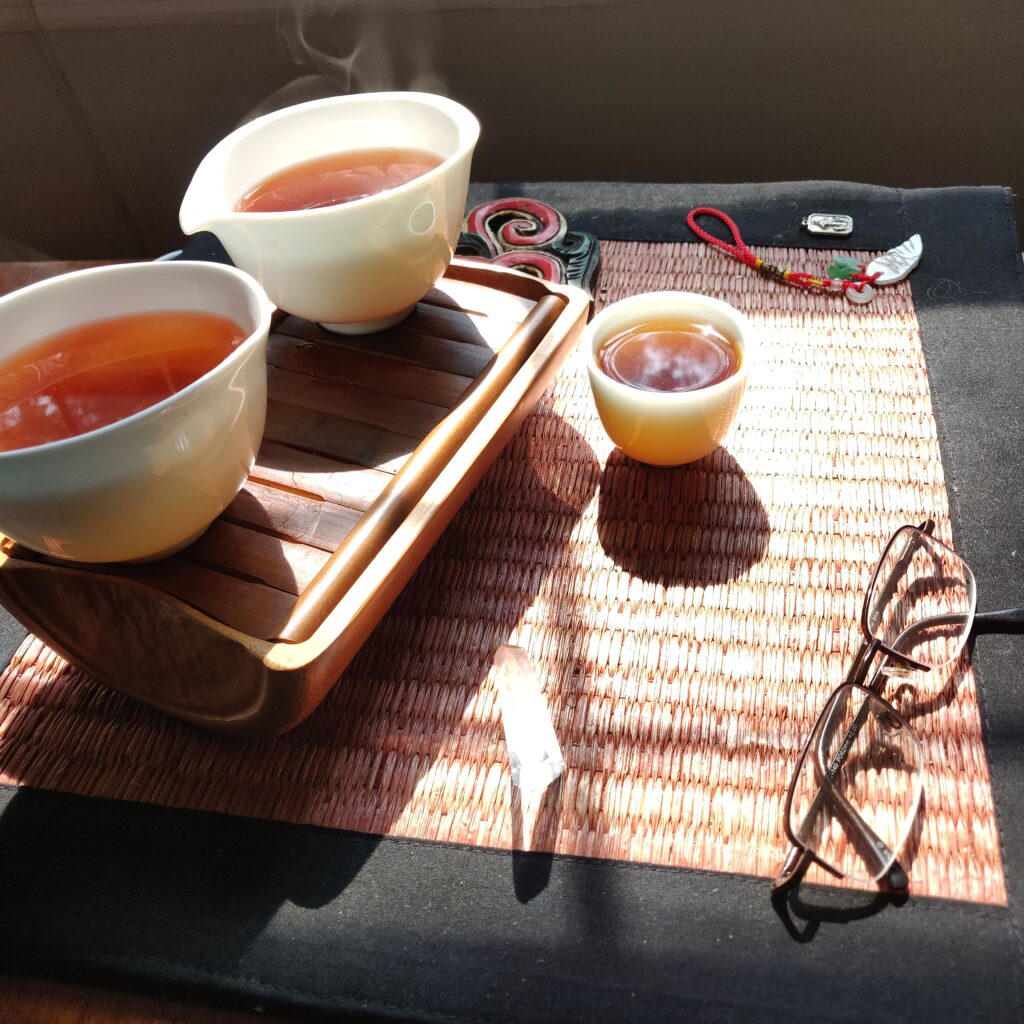
Building Your Stillness Practice
After a while, something remarkable happens: You develop a longing for stillness. You become friends with it. You actively look for it during the day. What began as uncomfortable becomes nourishing.
For me, it started with walking my two chocolate labs in the local forest. These walks became sacred time—periods of recollection, meditation, and simply being with myself and my thoughts, without agenda or destination. Eventually, this practice evolved. I began seeking moments of stillness and quietness throughout my day, not just during morning walks. I can easily catch myself running non-stop, writing, working on projects, and not sensing the intense wave of anxiety take over as I feel the need to accomplish and bring in money. As I’ve become more aware of these unpleasant background feelings, I consciously carve out time—deliberate pauses in the midst of activity—to embrace silence and stillness. It’s not the panacea answer to all of my problems, but it disconnects me enough to take a more balanced view of the situation. It makes things relative from a higher perspective.
Stillness isn’t separate from productivity; it is an essential part of it.
The Physical Experience of Letting Go
We cannot overstate how important finding stillness is, especially if you’re someone who makes decisions that affect others—whether you’re leading a company, managing a team, or a spiritual searcher.
When you settle into genuine stillness, notice what happens physically. I often find that my shoulders relax. What a wonderful sensation that is, especially if you’ve been carrying tension without realizing it. You may feel your spine soften, your jaw unclench, and your stomach might release its grip.
Be aware of this without judgment. Allow this to happen naturally. These physical releases are your body’s wisdom responding to safety and space. They are essential to your well-being, longevity, and mental health
Over time, you develop a loving relationship with stillness—not fully understanding what it is intellectually, but deeply appreciating the peace it brings. Eventually, it brings about quietness. And in the midst of chaos, quietness is what helps us get through the toughest parts of our lives.
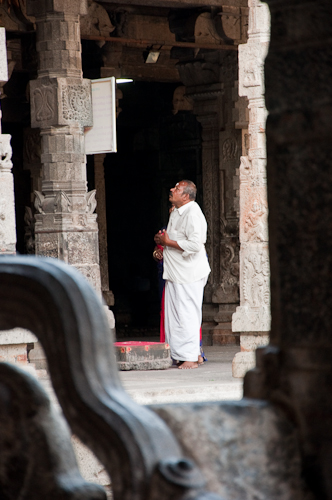
The Practice: Start Small, Build Gradually
Begin with one minute of stillness daily. Just sixty seconds. Set a timer if needed. Then expand to three minutes. Then five. Eventually, work up to twenty minutes daily. When this becomes automatic—when your day feels incomplete without this pause—something profound shifts. You begin touching what mystics call the monad: your essential self, your direct connection to source wisdom.
You rest in what Gnostics describe as the Pleroma: the fullness from which all emerges, the quiet center where nothing and everything coexist. You tap into the Monad where all things melt away except for that most essential part of you, the awareness that you are home, connected, and part of the Universe.
In this state, desires, wants, and needs don’t disappear. They transform. The urgency fades and becomes less consuming. It’s not that they’re unimportant—it’s that everything becomes relevant in relation to this deeper ground of being.
Why This Matters for Business and Life
For business leaders, this practice isn’t a mystical indulgence—it’s a strategic advantage many understand and practice. You don’t need to wait to be elevated to running a company to start now. The clarity that emerges from stillness you can achieve today leads to:
- Start early in life to carve out your peace of mind to better weather chaotic situations (set the stage for an even-keeled, non-reactive mind)
- Better strategic decisions (seeing patterns others miss)
- Improved crisis management (responding rather than reacting)
- Enhanced creativity (accessing insight beyond logical analysis)
- Stronger leadership presence (grounded authority rather than anxious control)
- Reduced burnout (sustainable energy rather than frantic output)
For those on spiritual paths, stillness is the doorway to everything else. It’s the essential part we are taught early on. Meditation techniques, contemplative practices, and mystical experiences—all require this foundation of being able to simply be quiet, present, and aware.
The Invitation
You don’t need perfect conditions to begin. You don’t need a meditation cushion, a teacher, or any special equipment beyond perhaps earplugs or noise-canceling headphones. You don’t even need to follow any specific school of thought or system. You just need to be with yourself and the willingness to pause.
Start today. Turn off your devices for one minute. Sit. Breathe. Notice. That’s all.
Tomorrow, do it again. And again. Let the practice build naturally, without force or judgment.
You’ll discover what ancient philosophers and modern CEOs have known: Stillness isn’t the absence of action. It’s the source from which wise action flows.
The answers you’re seeking—whether about your business strategy, your life direction, or your spiritual path—are already within you. They’re waiting in the stillness.
All you have to do is create space to hear them.
Ancient philosophies and systems teach what science reveals today.
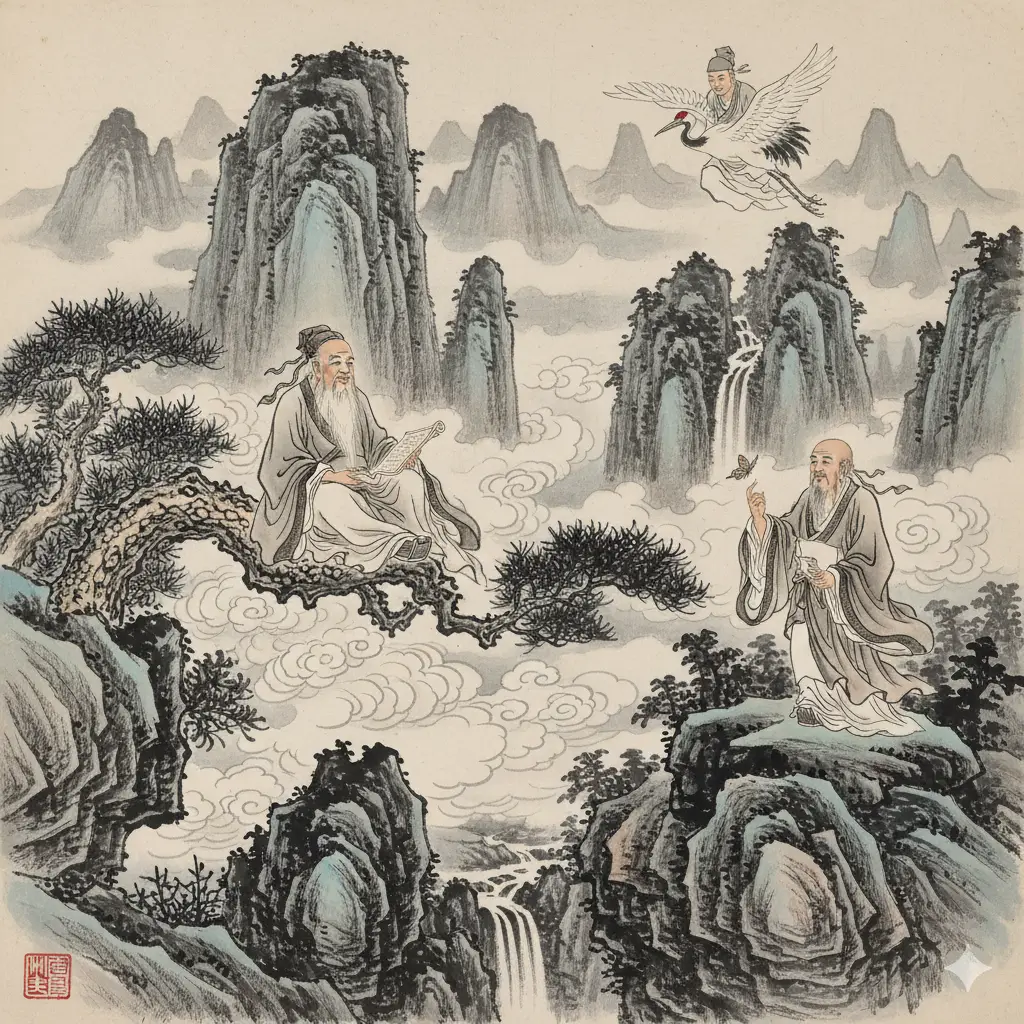
The Tao te King:
The gentlest thing in the world
overcomes the hardest thing in the world.
That which has no substance
enters where there is no space.
This shows the value of non-action.
Teaching without words,
performing without actions:
that is the Master’s way.
Begin Your Practice:
Explore more resources on meditation, stillness practices, and wholistic living at The Wholistic Center
“Think Time” Among Top Performers:
- Warren Buffett: Estimates he spends 80% of his day reading and thinking
- Bill Gates: Takes annual “Think Weeks” for focused reflection
- Jeff Weiner (LinkedIn): Schedules 90-120 minutes of blank space daily for thinking
- Sara Blakely (Spanx): Credits daily meditation for business breakthroughs
- Ray Dalio (Bridgewater): Practices Transcendental Meditation, calls it his “single most important reason” for success
These leaders don’t see stillness as opposed to productivity—they see it as essential FOR productivity and wise decision-making.
SPIRITUAL SIDEBAR
Stillness Across Traditions:
Taoism: Wu wei (effortless action) emerges from inner quiet.
Buddhism: Shamatha (calm abiding) is the foundation for insight.
Christian Mysticism: Contemplative prayer begins with silence.
Gnosticism: Knowing the divine requires internal stillness.
Advaita Vedanta: Self-realization comes through quiet observation
Common thread: Wisdom traditions worldwide recognize stillness as the doorway to deeper truth.