The Awakener, Not the Sacrifice
Who was Christ to the Gnostics? Not a sacrifice — an awakener. Discover how gnosis, direct inner knowing, transforms the spiritual path.
A landmark Harvard Business Review study found that America’s loneliest workers are often its most educated — and that chronic loneliness is as damaging to health as smoking fifteen cigarettes a day. What modern research is only now quantifying, ancient healing traditions understood for centuries. Here’s what they knew — and what it means for your wellbeing today.
There is a god who does not know he is not the highest god. The Gnostics called him Yaldabaoth — and the invisible system he built around human consciousness is, they warned, still running.
The last of the thirty divine Aeons was called Sophia — Wisdom. She yearned to create. She acted alone, without her counterpart, without the will of others. What emerged from that unbalanced longing became the world we live in — and the spark of light hidden inside every human soul.
In 1945, a sealed jar in the Egyptian desert revealed texts the early Church had spent centuries suppressing. Their message was not heresy — it was a map. A map of the divine spark within every human being, and how to remember it. This is the story of Gnosticism.
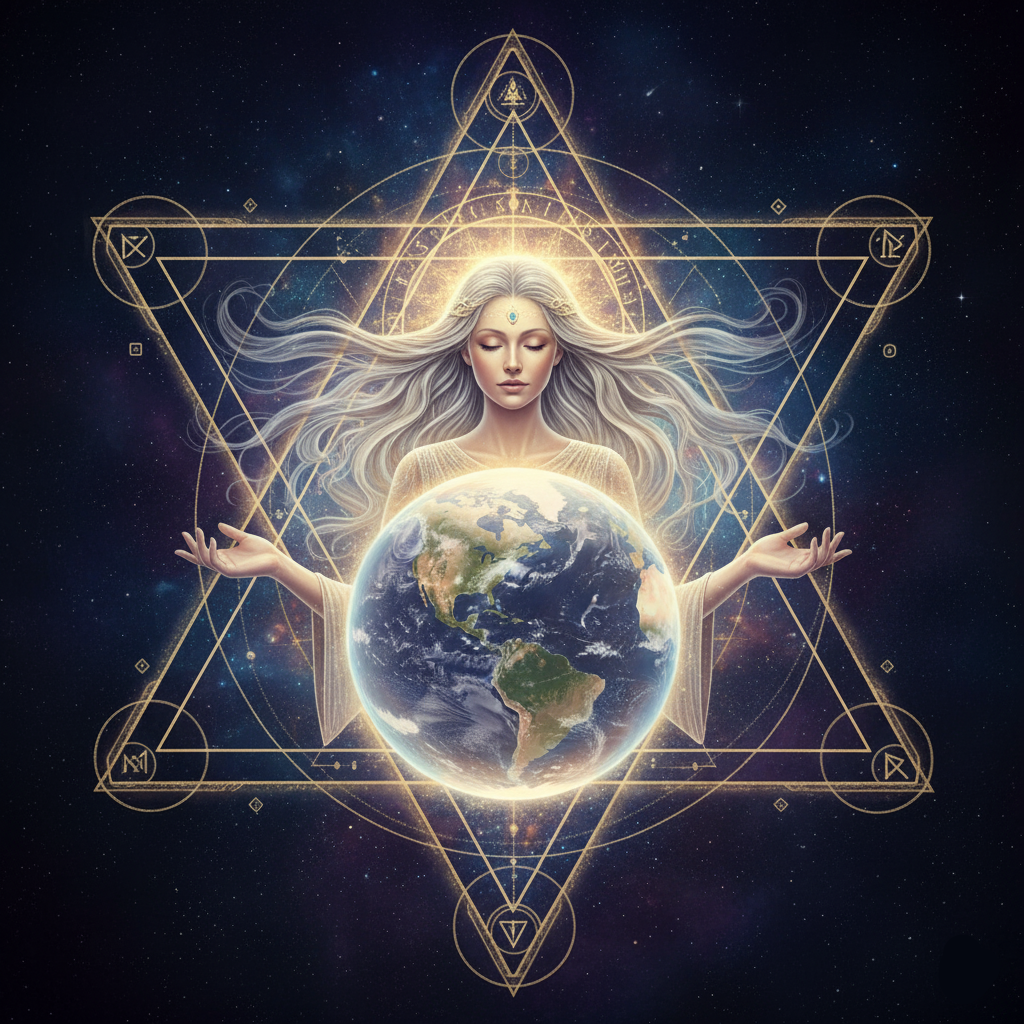
Two thousand years after its origins in late antique Egypt, Hermetic philosophy still names something true: the universe is alive with intelligence, and we are microcosms of it. This final installment draws the full tradition together — its genuine gifts, its modern pitfalls, and a simple daily practice grounded in the classical texts.
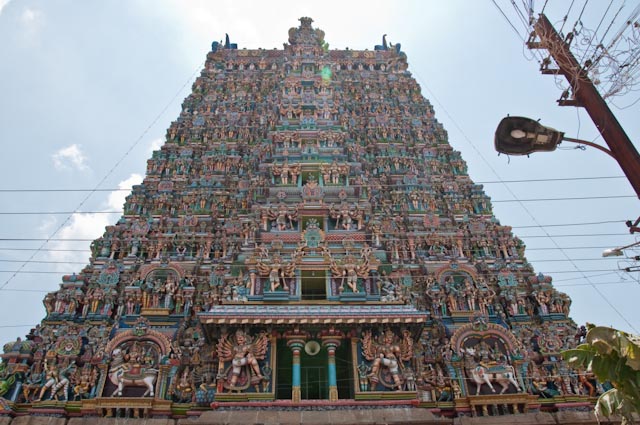
Vedanta is one of the oldest philosophical traditions on Earth — and one of the least understood in the West. At its core are three questions every human being eventually faces: Who am I? What is the Universe? What is the relationship between the two? These three thinkers turned the ancient answers into something the modern world urgently needs.
The Kybalion is the most widely read “Hermetic” text in the English-speaking world — and also the most misunderstood. Its seven principles contain real psychological wisdom. But mental transmutation without ethical grounding tends toward narcissism. The question was never whether the book has value. The question is what kind — and what to read alongside it.
The ancient teachers were unanimous on one uncomfortable point: wisdom cannot be stored. It can only be lived. So what happens when the search itself becomes the escape?
Ninety percent of Americans want paper menus back. This is not a backlash against technology. It is a backlash against replacing human presence with automation — and the ancient wisdom behind why that distinction matters.