
The Shared Asian Celebration of the New Moon Year
When winter’s grip begins to loosen and spring approaches, more than two billion people across Asia and around the world celebrate the Lunar New Year. It is believed that this ancient festival, rooted in a lunisolar calendar developed in China over 3,500 years ago. It marks the arrival of spring and the beginning of a new year measured by the cycles of the moon and sun. It also heralds the year of the Fire Horse!
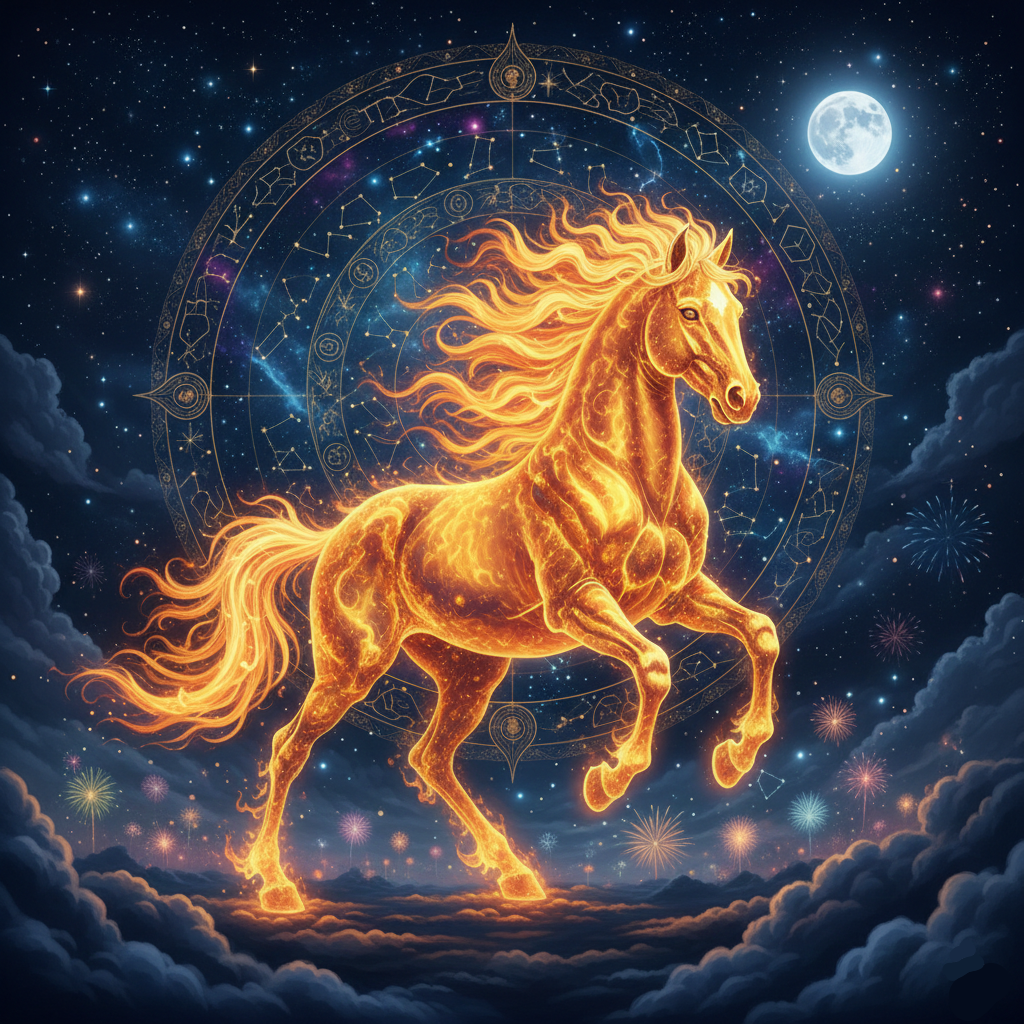
While often vulgarized as the Chinese New Year, this celebration extends far beyond China. Korea, Vietnam, Singapore, Malaysia, Indonesia, the Philippines, Thailand, and communities worldwide observe this holiday, each with distinct traditions that reflect their unique cultural identities. Understanding these differences reveals the rich diversity of Asian cultures while highlighting the universal human desire to honor family, welcome renewal, and celebrate the turning of seasons.
Understanding the Lunisolar Calendar
The traditional Chinese calendar, according to Columbia University’s Asian studies resources, dates back to the third millennium BCE. Unlike purely lunar calendars that follow only the moon’s phases, or solar calendars that track only the sun’s position, a lunisolar calendar harmonizes both cycles to predict seasonal changes accurately.
The Lunar New Year falls on the second new moon after the winter solstice. This places this one (2026) between late January and mid-February on the Gregorian calendar. This timing marks the midpoint between winter’s darkest day and spring’s balance. Traditionally, this would signal farmers that planting season approaches. The celebration can last from three days to two weeks, culminating in the Lantern Festival on the fifteenth day.

Evidence from Shang dynasty oracle bone inscriptions, according to Britannica, shows that by the 14th century BCE, Chinese astronomers had established the solar year at 365.25 days and lunation at 29.5 days. This sophisticated astronomical knowledge enabled accurate agricultural planning for millennia.
China: Spring Festival and Family Reunion
In China, where the festival is officially called Spring Festival, the celebration centers on family reunion. The National Museum of Asian Art notes that this is the most important holiday of the year, traditionally the one period when farmers could rest from field work.
Families deep-clean their homes to sweep away bad luck from the previous year weeks in advance. they would make space for incoming good fortune. Red decorations appear everywhere, symbolizing prosperity and joy. Paper cuttings adorn windows, and couplets expressing auspicious wishes for the new year frame doorways.
The reunion dinner on New Year’s Eve represents the celebration’s heart. Multiple generations gather for a feast featuring symbolic dishes. A whole fish signifies abundance, dumplings bring wealth, and rice cakes promise advancement. Elders give children red envelopes containing money for luck.
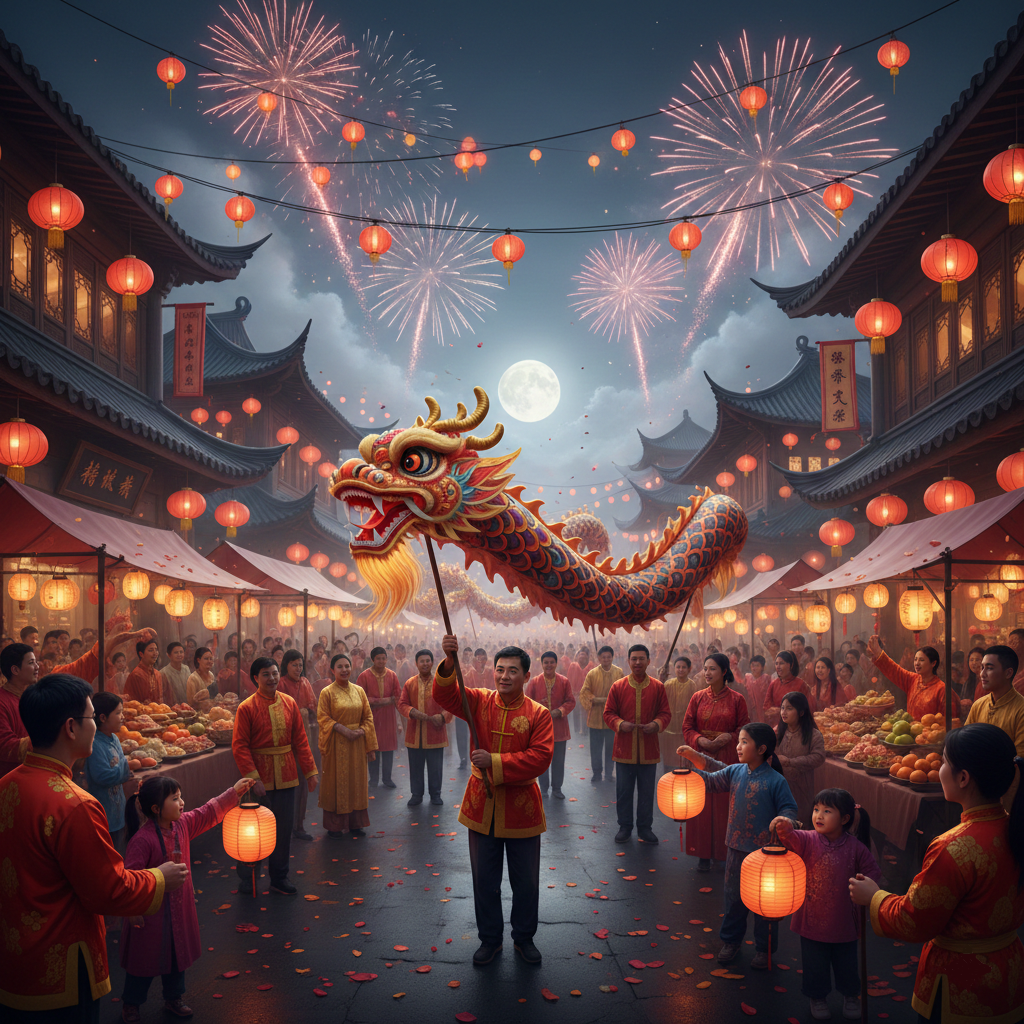
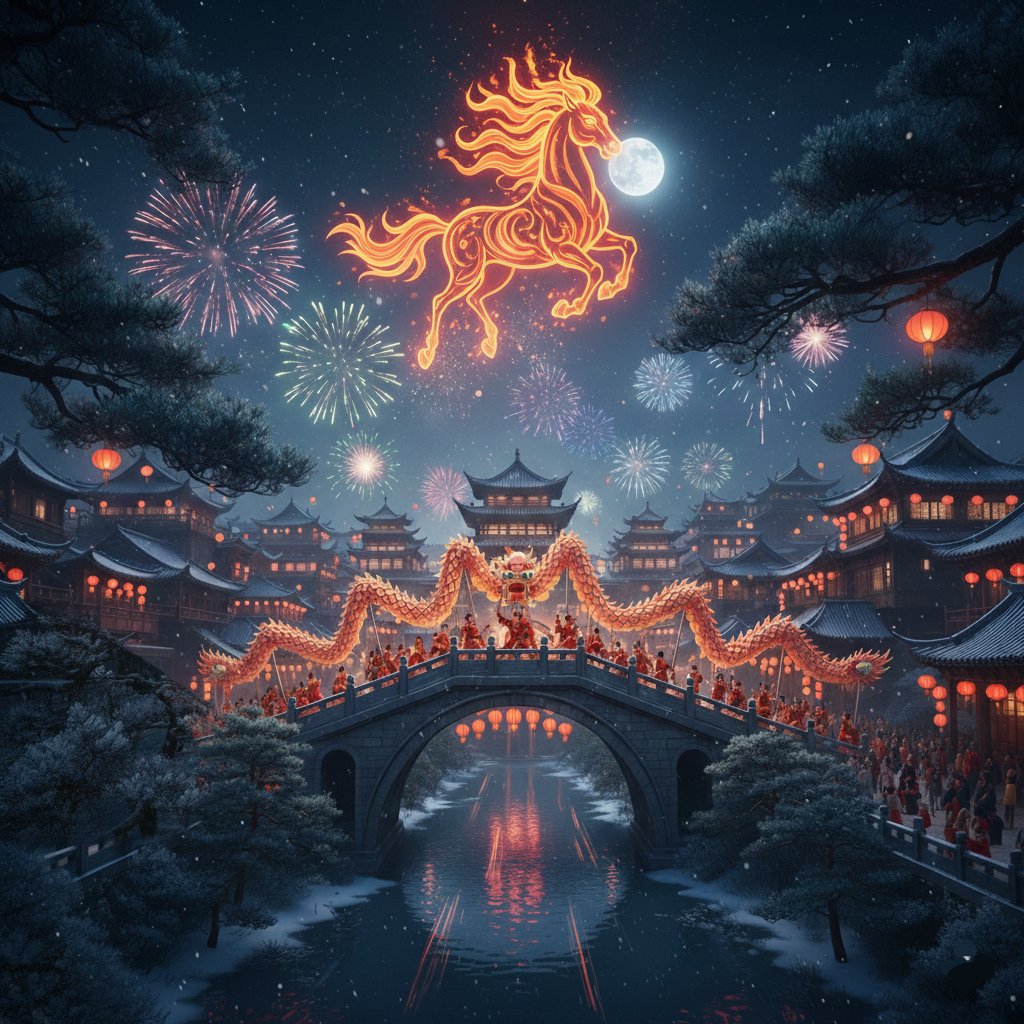
Another important thing we get from Asia are fireworks. They light the sky, historically believed to scare away evil spirits. Dragon and lion dances weave through streets during temple fairs. The celebration officially ends with the Lantern Festival, when families admire beautiful lantern displays and solve riddles written on them.
Korea: Seollal and Ancestral Honor
Korean Lunar New Year, called Seollal, emphasizes ancestral respect and family bonds. The earliest references to Seollal appear in seventh-century Chinese historical texts describing celebrations in the Silla Kingdom. Korea’s own historical records document the festival dating back to 488 CE.
Korea uses white envelopes for gift-giving. Many Koreans wear hanbok, traditional colorful clothing that represents cultural identity and adds to the festive atmosphere.
The day begins with charye, the ancestral rites where families offer food, incense, and prayers to departed loved ones. According to National Geographic‘s educational resources, this ritual connects living family members with ancestors and reinforces intergenerational bonds.
Traditional foods define Seollal. Tteokguk, a savory soup made with sliced rice cakes in clear broth, must be eaten on New Year’s Day. Koreans say eating tteokguk adds a year to your age, symbolically connecting the meal with life’s passage. Jeon, savory pancakes made with green onions, eggs, and flour, also appear at every celebration table.
Families play yut-nori, a traditional board game involving tossing four wooden dowels. Players move pieces forward or backward depending on how the dowels land, creating opportunities for multiple generations to bond through play.
Vietnam: Tết and Spiritual tradition
Vietnamese Lunar New Year, called Tết, begins preparations on the 23rd day of the twelfth lunar month. Vietnamese tradition holds that on this day, the Kitchen God and Land Genie report to heaven about each family’s behavior throughout the year. Homes must be cleaned and decorated, often with flowers, before these deities depart.
Vietnamese families create distinctive five-fruit trays, arranging different fruits as offerings to ancestors. The specific fruits vary by region but always include five items representing the five elements in Vietnamese cosmology. These trays remain on display throughout the celebration.
Southern Vietnam showcases yellow mai flowers, symbolizing luck, wealth, and happiness. Northern Vietnam displays pink peach blossoms representing rebirth and success. These regional flower traditions reflect Vietnam’s diverse geography and local customs.
Vietnamese children receive red envelopes with lì xì, or lucky money, similar to Chinese tradition. Families wear áo dài, traditional tunics that represent Vietnamese cultural heritage. The shape of traditional rice cakes also varies by region, square in the north and cylindrical in the south, demonstrating how national traditions adapt to local customs.
The Vietnamese zodiac differs slightly from the Chinese version. Where China has the ox and rabbit, Vietnam has the buffalo and cat, showing how cultures adapted borrowed traditions to their own contexts.
East Asia: Wider New Year Celebrations
Lunar New Year are celebrated all over East Asia. Singapore, with its significant Chinese diaspora including Hokkien, Cantonese, Teochew, Hainanese, and Hakka groups, celebrates with multicultural influences. Buddhist communities in Nepal, India, Bhutan, and Tibet observe Losar, their own Lunar New Year with distinct calendars and traditions.
Major cities worldwide with Asian communities, including San Francisco, Vancouver, Sydney, and London, host elaborate celebrations featuring dragon dances, food festivals, and parades. The United Nations officially recognized Lunar New Year as a holiday in 2023, acknowledging its global cultural significance.
I remember living in Japan where we would eat the longest soba udon bridging the old year to the new one.
The Universal Theme
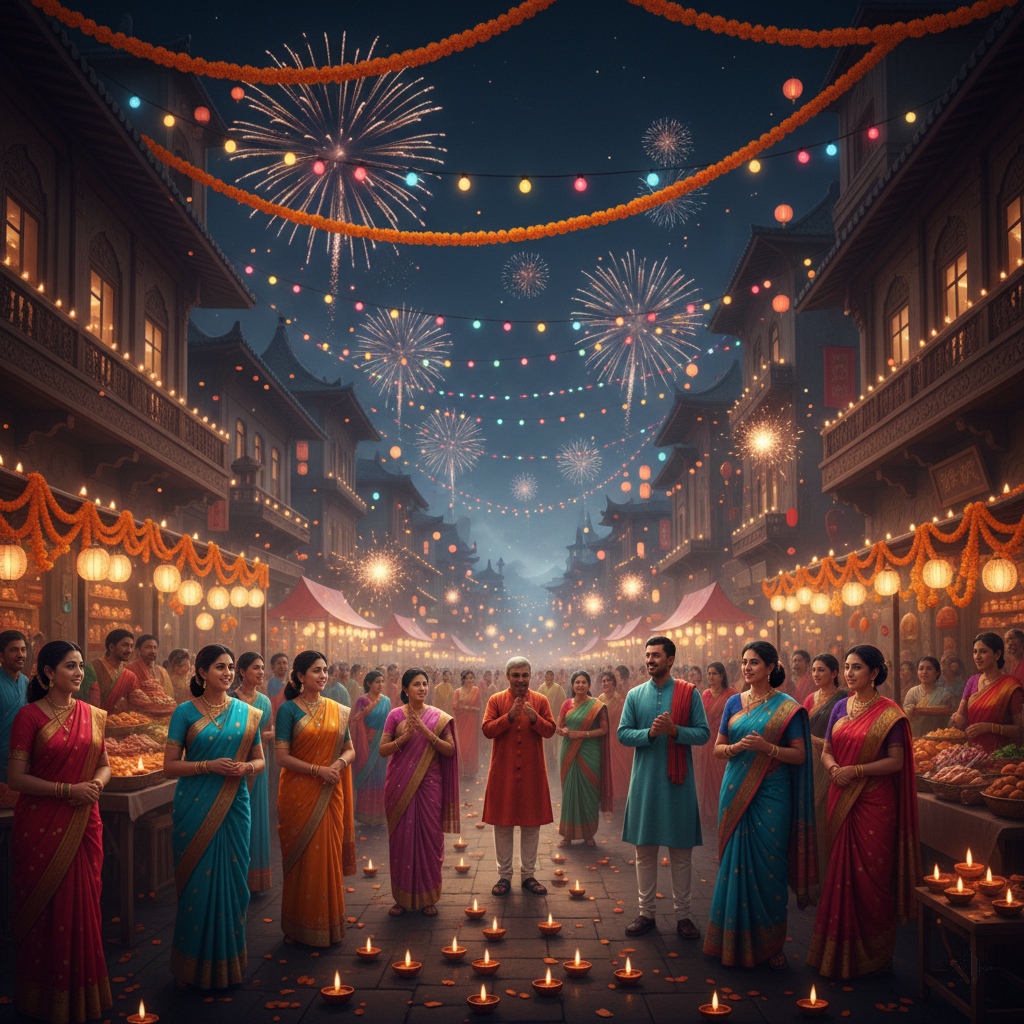
Despite differences in specific customs, Lunar New Year celebrations worldwide share common themes. Family gathering takes precedence over all other activities. The 40-day travel period surrounding the holiday, called Chunyun in China, represents humanity’s largest annual migration as people journey home for reunion dinners.
The festival honors renewal and fresh starts. Cleaning homes symbolizes releasing the past. New clothes represent new beginnings. Children receive blessings and money from elders, connecting generations. Food traditions emphasize abundance, prosperity, and harmony.
These celebrations also mark humanity’s deep connection to seasonal cycles and agricultural rhythms. Even in modern urban societies, Lunar New Year reminds people that human life remains intertwined with natural patterns of darkness and light, cold and warmth, dormancy and growth.
The Twelve Year Cycle: The Year of the Fire Horse!
Are you ready for the year of the Fire Horse? I hope so. Traditionally this is a turbulent year and brings many changes, some rather violent. Some communities would even abort child bearing avoiding having to deal with a hard-to-raise Fire Horse child.
The Asian zodiac operates on a twelve-year cycle, each year represented by a specific animal. These twelve animals, in order, are Rat, Ox, Tiger, Rabbit, Dragon, Snake, Horse, Goat, Monkey, Rooster, Dog, and Pig. According to Chinese legend, the Jade Emperor, who ruled over the heavens, organized a race across a river to determine the order of the zodiac animals. The first twelve animals to cross would receive eternal honor in the calendar.

The Horse finished seventh, earning its place between Snake and Goat. Traditionally known for its speed and endurance, the Horse was favored to place higher in the race. However, according to legend, it lingered at the starting line for the cheering crowds, dawdling for adoration and fanfare. By the time Horse began racing, it started too late to win first place but still beat five other animals to the finish line.
Each zodiac animal represents distinct personality traits and characteristics. People born in Horse years, including 1942, 1954, 1966, 1978, 1990, 2002, 2014, and 2026, are traditionally described as energetic, independent, warm-hearted, and cheerful. Horses are natural leaders who rarely accept defeat and possess the tenacity to motivate themselves to actively pursue their goals. They love physical and mental challenges, are decisive yet sometimes impatient, and innately understand human nature.
Beyond the twelve animals, the Chinese system incorporates five elements that rotate through the zodiac, creating a more complex sixty-year cycle. These five elements are Wood, Fire, Earth, Metal, and Water. Each element adds distinct characteristics to the animal’s inherent traits.
Wood symbolizes vitality, imagination, and expansion, inspiring innovation and personal development. Fire represents dynamic action, charisma, and bold ambition, igniting enthusiasm and the desire to lead. Earth stands for grounded energy and steady progress, emphasizing patience and long-term foundations. Metal embodies solidity, willpower, and structure. Water signifies responsiveness, flexibility, and persuasion.
Because there are twelve animals and five elements, any given combination occurs only once every sixty years. The year 2026, which begins more or less on February 17, depending on which part of Asia you are, marks the Year of the Fire Horse. The last Fire Horse year was 1966, making this combination particularly rare and significant.
The Fire Horse carries especially powerful symbolism. In Chinese culture, horses were considered critical for winning battles, giving rise to the saying ma dao cheng gong. This translates as upon the arrival of a horse, the success is secured. The Horse represents speed, action, and momentum. When combined with the Fire element’s passion, energy, and transformative power, the Fire Horse year embodies courage, dedication, and bold forward movement.

Fire Horse years historically bring both opportunity and challenge. The 1966 Fire Horse year saw significant countercultural movements, social transformation, and rapid change. Astrologers describe Fire Horse energy as dynamic but intense, favoring decisive action while warning against impulsiveness. This is not a year for hesitation or playing small. The Fire Horse rewards bold choices and punishes indecision.
Chinese astrologers note that 2026 transitions from the Wood Snake year of 2025, which emphasized inner transformation, shedding old patterns, and strategic observation. The Wood Snake invited patience and intentional change. The Fire Horse year shifts this internal work into external action. Whatever people released during the Snake year becomes fuel for forward momentum during the Horse year.
For people born in Horse years, 2026 represents their Ben Ming Nian, the year when their zodiac animal returns. This period is considered both transformative and testing in Chinese tradition. Ben Ming Nian brings accelerated personal growth and karmic lessons but requires extra mindfulness. Chinese custom recommends wearing red clothing or accessories during Ben Ming Nian years to ward off misfortune and attract protection.
The Vietnamese zodiac follows a similar system but with one notable difference. Where China has the Ox and Rabbit, Vietnam has the Buffalo and Cat, demonstrating how shared traditions adapt to local cultural contexts. The Horse remains the same in both systems, representing the seventh position in the cycle.
The zodiac extends beyond personality predictions to influence major life decisions. Many Asian cultures consult the zodiac when choosing wedding dates, starting businesses, or making significant changes. Each animal has compatible and incompatible matches. The Horse traditionally resonates well with Tiger, Dog, and Goat signs, which complement the Horse’s enthusiasm and open spirit.
Whether viewed as astrological guidance or cultural tradition, the zodiac system reflects deep philosophical ideas about cyclical time, elemental balance, and the relationship between cosmic patterns and human experience.
As February 17, 2026 approaches, communities worldwide prepare to welcome the Fire Horse with symbolic decorations, traditional foods, and family gatherings. The red and gold colors prominent in Lunar New Year decorations take on special significance during a Fire Horse year, visually representing the intense Yang energy and transformative passion associated with this rare sixty-year cycle.
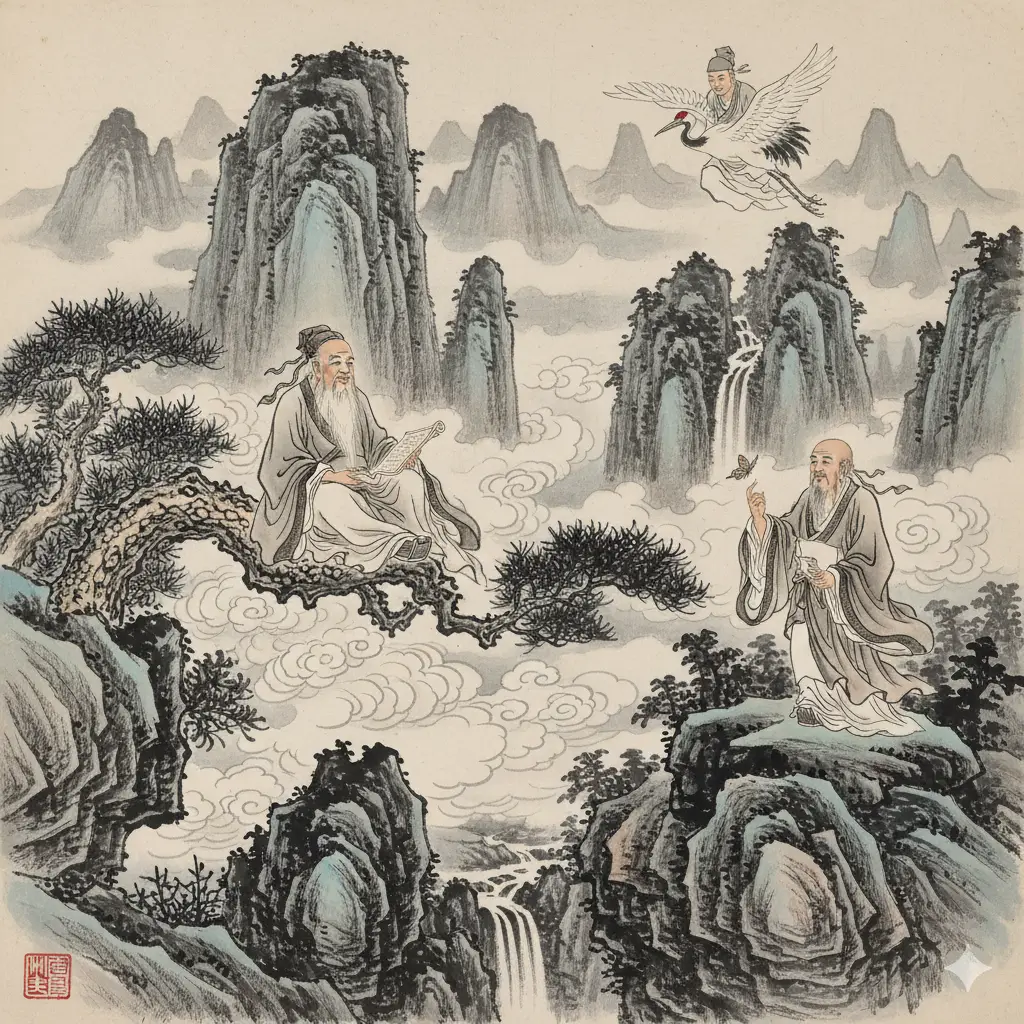
An Ancient Celebration with a More Correct and Precise Calendar
Learning about Lunar New Year traditions across different cultures reveals more than interesting customs. It demonstrates how shared human values, family connection, respect for ancestors, hope for prosperity, and celebration of renewal, can express themselves through diverse cultural practices.
Whether celebrated as Spring Festival, Seollal, Tết, or by other names, this ancient tradition continues thriving because it addresses fundamental human needs for connection, meaning, and hope. As spring approaches each year, more than two billion people worldwide pause to honor where they come from, celebrate who they are now, and welcome who they might become in the year ahead.
That universal impulse toward renewal makes Lunar New Year not just an Asian celebration, but a profoundly human one.
How will your Fire Horse year go? Stay tuned as you continue to read TheWholisticCenter.com and check out our The Wholistic Center podcast!
More Sources
National Geographic Education – Lunar New Year
Smithsonian National Museum of Asian Art – Lunar New Year
Columbia University – The Lunar New Year: Rituals and Legends
Timothy S. Y. Lam Museum – History of Chinese New Year
TimeAndDate – The Chinese Calendar
NPR Short Wave – Chinese Calendar History and Science
Wikipedia – Chinese Calendar
SBS News Australia – How Lunar New Year is Celebrated Around the World
South China Morning Post – Year of the Fire Horse 2026
ChineseNewYear.net – Year of the Horse Fortune, Personality, Horoscope
Farmers Almanac – Lunar New Year 2026
Old Farmer’s Almanac – Lunar New Year 2026 Year of the Horse
Smithsonian Institution – 2026 Year of the Horse
Buddha3bodhi – Year of the Fire Horse 2026 Meaning and Energy
Elle Australia – What Lunar New Year’s Year of the Fire Horse Means for 2026
AstroSage – Chinese Horoscope 2026 The Year of Fire Horse