We reach toward the eternal and forget the one who does the reaching. This is one person’s midnight epiphany about the human being — finite, faithful, and long overdue for recognition. What has your human self been quietly waiting for you to see?
Walking away from something you love isn’t failure. Sometimes it’s the most honest thing you can do. Here’s what 20 years — and one quiet midnight question — taught me about knowing when to let go.
Vedanta is one of the oldest philosophical traditions on Earth — and one of the least understood in the West. At its core are three questions every human being eventually faces: Who am I? What is the Universe? What is the relationship between the two? These three thinkers turned the ancient answers into something the modern world urgently needs.
The Kybalion is the most widely read “Hermetic” text in the English-speaking world — and also the most misunderstood. Its seven principles contain real psychological wisdom. But mental transmutation without ethical grounding tends toward narcissism. The question was never whether the book has value. The question is what kind — and what to read alongside it.
The ancient teachers were unanimous on one uncomfortable point: wisdom cannot be stored. It can only be lived. So what happens when the search itself becomes the escape?
Ninety percent of Americans want paper menus back. This is not a backlash against technology. It is a backlash against replacing human presence with automation — and the ancient wisdom behind why that distinction matters.
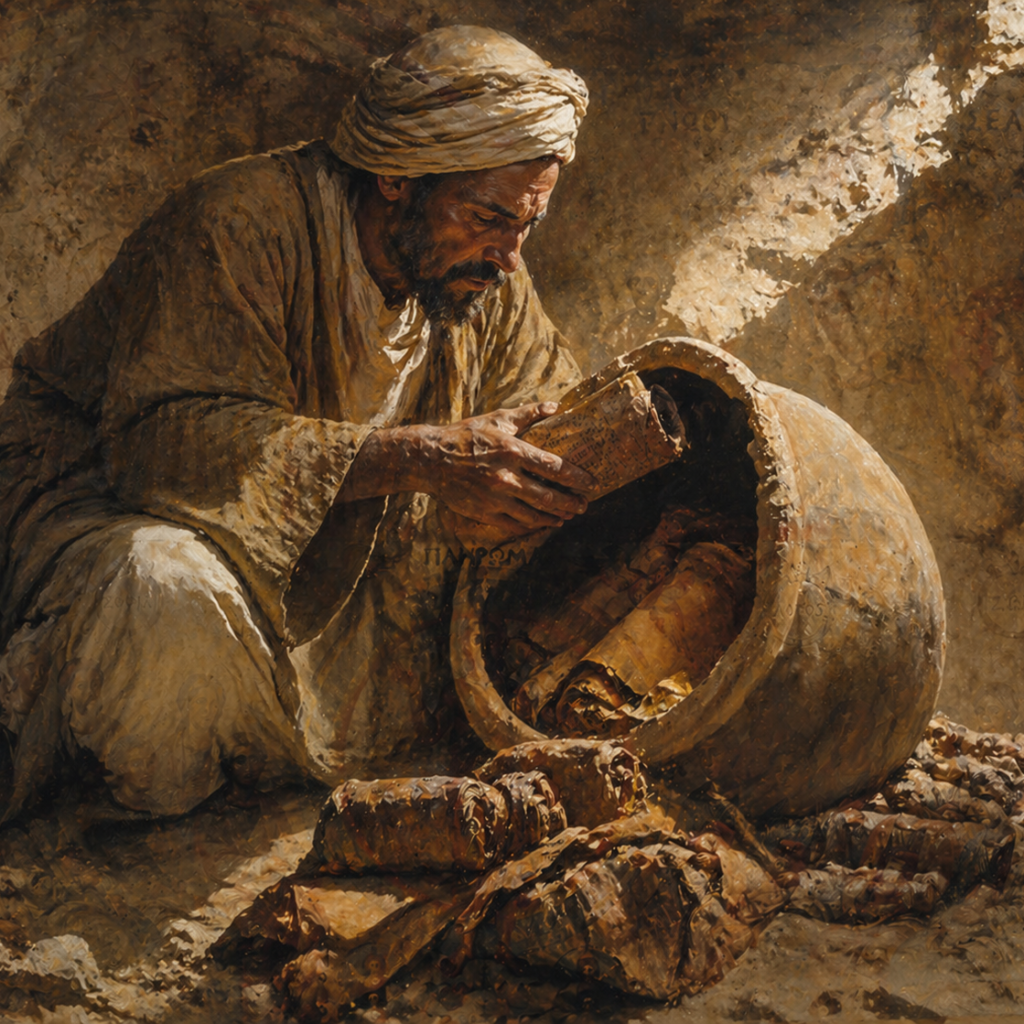
In 1462, a monk arrived in Florence carrying a manuscript. It had been acquired in Macedonia by agents of Cosimo de Medici — the wealthiest man in Europe and an obsessive collector of ancient texts. Cosimo was in his seventies, dying, and he had been waiting a long time for something like this. He instructed his court philosopher, Marsilio Ficino, to set aside his translation of Plato’s complete works and begin on this manuscript immediately.
There is a particular kind of thinker who arrives not from a single discipline but from everywhere at once — a person so unwilling to be confined by specializa ...
We reach toward the eternal and forget the one who does the reaching. This is one person’s midnight epiphany about the human being — finite, faithful, and long overdue for recognition. What has your human self been quietly waiting for you to see?
Walking away from something you love isn’t failure. Sometimes it’s the most honest thing you can do. Here’s what 20 years — and one quiet midnight question — taught me about knowing when to let go.
Vedanta is one of the oldest philosophical traditions on Earth — and one of the least understood in the West. At its core are three questions every human being eventually faces: Who am I? What is the Universe? What is the relationship between the two? These three thinkers turned the ancient answers into something the modern world urgently needs.
The Kybalion is the most widely read “Hermetic” text in the English-speaking world — and also the most misunderstood. Its seven principles contain real psychological wisdom. But mental transmutation without ethical grounding tends toward narcissism. The question was never whether the book has value. The question is what kind — and what to read alongside it.
The ancient teachers were unanimous on one uncomfortable point: wisdom cannot be stored. It can only be lived. So what happens when the search itself becomes the escape?
Ninety percent of Americans want paper menus back. This is not a backlash against technology. It is a backlash against replacing human presence with automation — and the ancient wisdom behind why that distinction matters.
In 1462, a monk arrived in Florence carrying a manuscript. It had been acquired in Macedonia by agents of Cosimo de Medici — the wealthiest man in Europe and an obsessive collector of ancient texts. Cosimo was in his seventies, dying, and he had been waiting a long time for something like this. He instructed his court philosopher, Marsilio Ficino, to set aside his translation of Plato’s complete works and begin on this manuscript immediately.
There is a particular kind of thinker who arrives not from a single discipline but from everywhere at once — a person so unwilling to be confined by specializa ...